
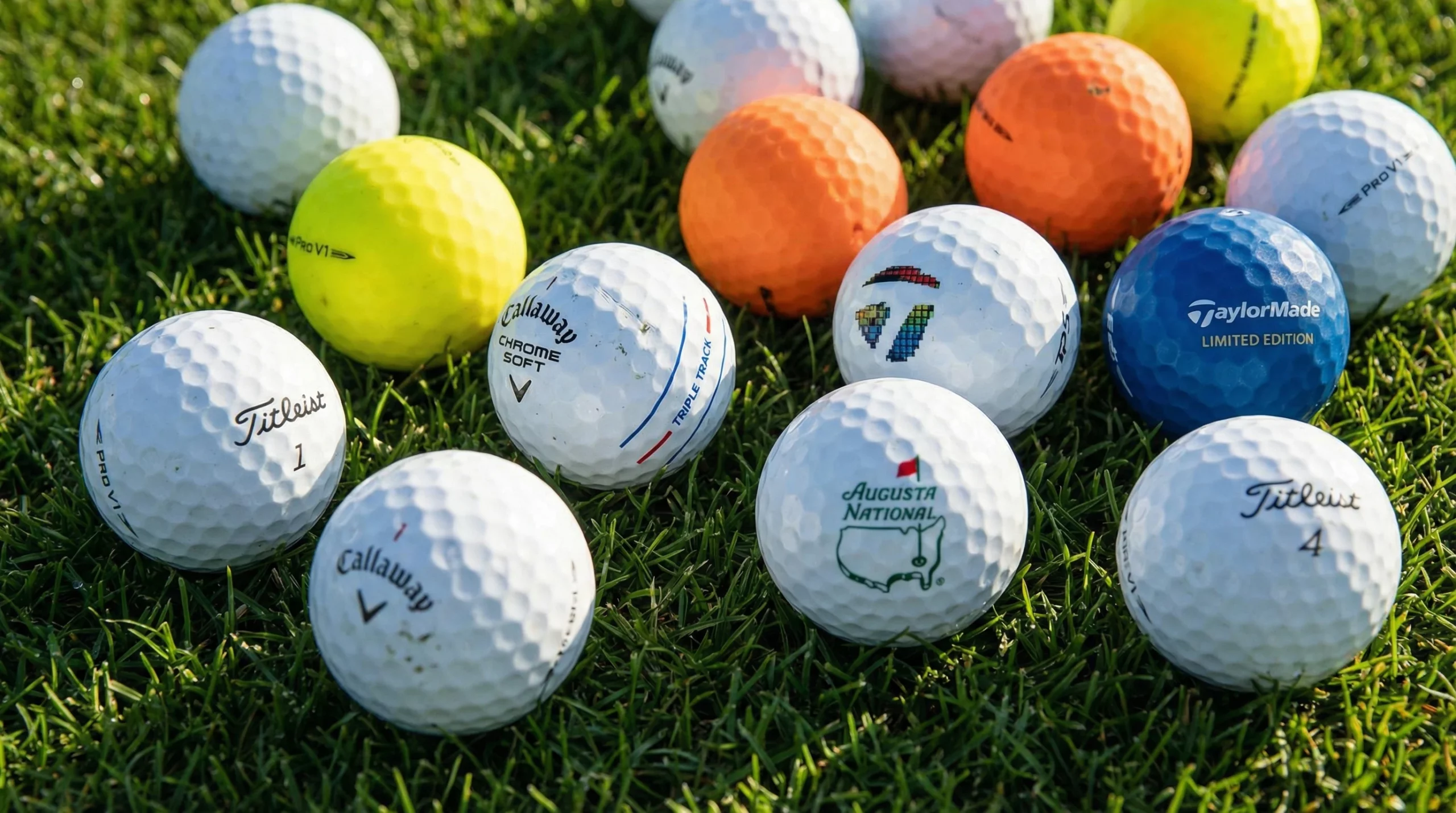
If you are a mid handicap golfer, picking the right golf ball can feel a little overwhelming. I’ve played this game long enough to know the golf ball is a big part of your performance, especially when you are looking to take your scores from the low 90s or high 80s down to the next level. Not every golf ball works for every swing, though. Mid handicap golfers have a unique combination of swing speeds, preferences, and skill sets. I want to walk you through what I think you should look for and share some specific golf ball recommendations that have helped not only me, but plenty of others at this stage.
Before I get further, I’ve broken everything down here based on my own experience, club pro advice, and countless rounds with friends and students who fit this slice of the golfing world. If you have a slower swing speed or are coming back to golf after 50, I have some guidance just for you as well—you’ll find those suggestions mixed in below and in their own dedicated spots.
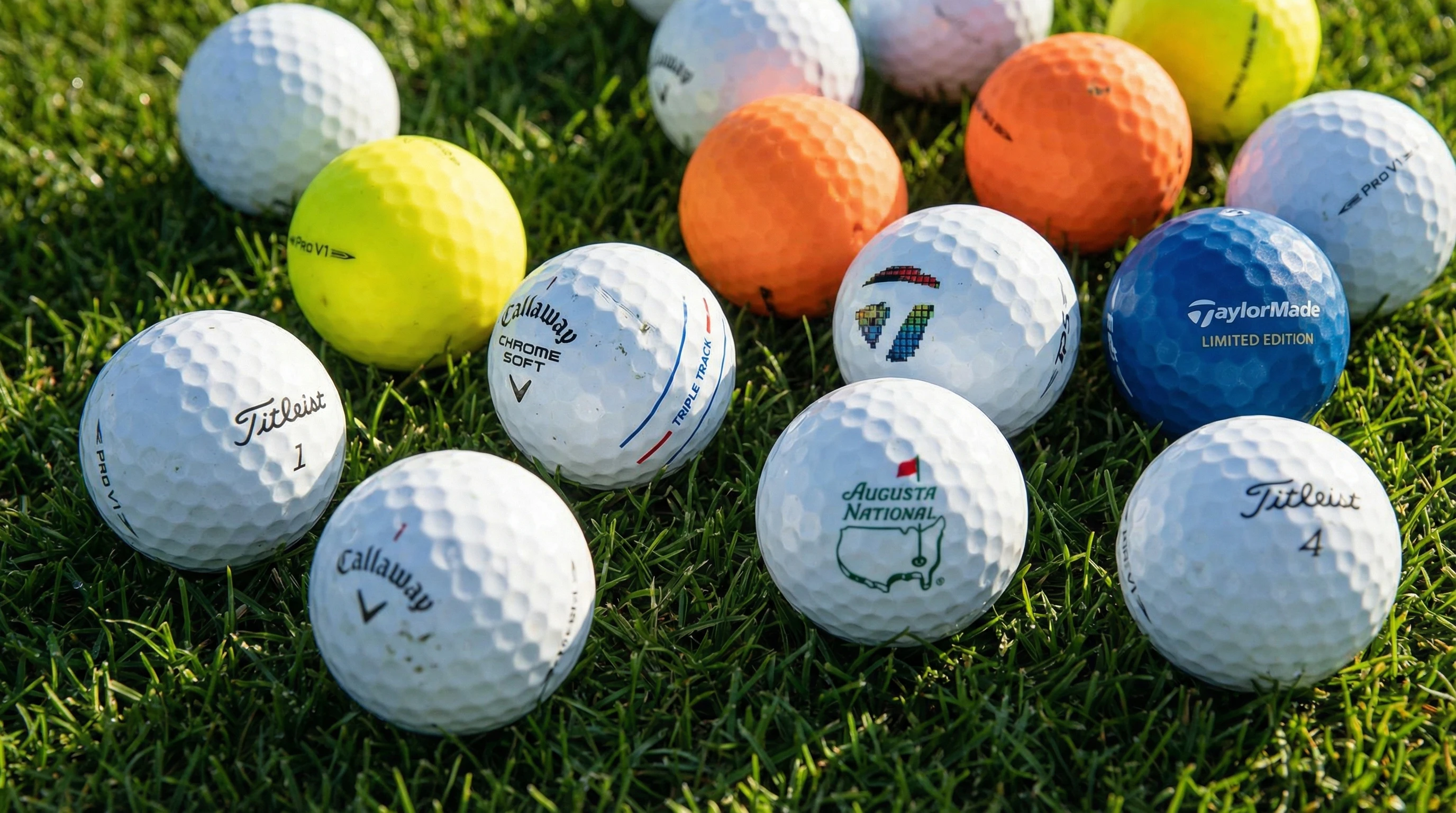
Focus Topic: Best Golf Balls for Mid Handicappers
Core Questions Covered: How do you choose the right golf ball for your ability? What are the best choices for distance, feel, and control? Which options help if your swing speed is a little slower, or if you’re over 50? This guide covers it all.
What Makes a Golf Ball the Right Choice for Mid Handicappers?
As a mid handicapper, you’re probably shooting somewhere between 80 and 95. You have stretches where everything clicks and some where things fall apart for a hole or two. The golf ball you play can actually help smooth out the rough edges and might even give you a better shot at breaking 80.
Here’s what I find really important:
- Distance: Most mid handicappers want to squeeze out as much distance as possible off the tee. A long ball just feels good and sets up easier approaches.
- Feel: Touch around the greens helps with confidence and distance control. Some mid handicappers like a soft ball, while others want a little more feedback.
- Spin: You want a ball that isn’t too spinny off the driver to help with accuracy, but still grabs enough on chips and pitches to stop on the green.
- Durability: Nobody wants to lose performance after one or two holes. Balls that scuff too easy or lose shape fast usually don’t stay in my bag long.
- Price: Many of us go through a sleeve or more each round, so value and performance matter.
Understanding Golf Ball Construction
Every golf ball on the shelf has its own design, often described in layers or as “pieces.” If you’re wondering why some balls feel firmer or fly differently, the construction is part of the answer.
- Two piece balls: These are built with a large core and a cover. They’re designed for distance, are usually more affordable, and are often more durable. Great for golfers who just want to hit it long and straight, but spin can be limited.
- Multilayer balls (three or more pieces): Generally have a core, a mantle (or more than one), and a cover. These balls give golfers more feel, better spin control, and versatility for different shots. Often, they cost a bit more.
- Cover material: Urethane covers are used on most “tour level” balls and offer the most spin and feel, especially around the greens. Surlyn covers are more common on distance balls and are typically more durable.
For most mid handicappers, I recommend either a high quality two piece ball or a three piece option that offers a bit of both worlds. The important thing is to match the construction to what you need most in your game.
Top Golf Ball Recommendations for Mid Handicappers
I get asked pretty often what golf balls I’d suggest for people who shoot in the 80s or 90s. Here are some that have really impressed me, with background on who they’re best for and why you might like them. If you have a slower swing speed or are navigating the game after 50, I’ll also call out which models to check out.
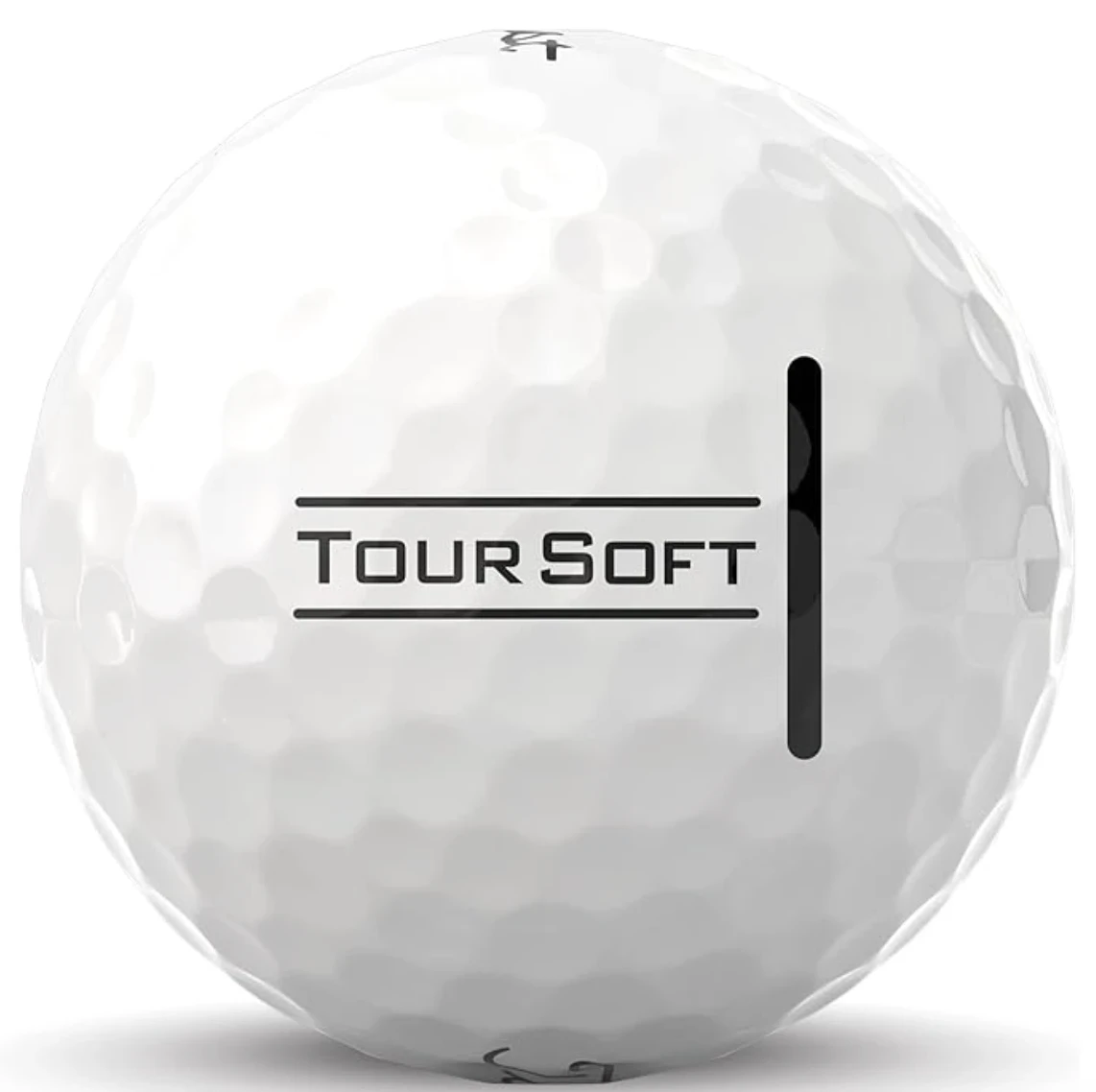
1. Titleist Tour Soft
After playing a few rounds with the Titleist Tour Soft, I noticed right away how forgiving and long it was off the tee. For mid handicappers, I like how the Tour Soft strikes a balance. It feels good off the putter, spins enough for short game shots, and helps those of us without pro level swing speeds get more distance. The cover also lasts several rounds unless you whack a tree or cart path.
- Mid compression makes it easier to compress with moderate swing speeds (really helpful for players over 50 who may swing a touch slower).
- Soft feel both from the driver and wedges.
- Affordable compared to true tour balls, but with plenty of performance for a mid handicap game.
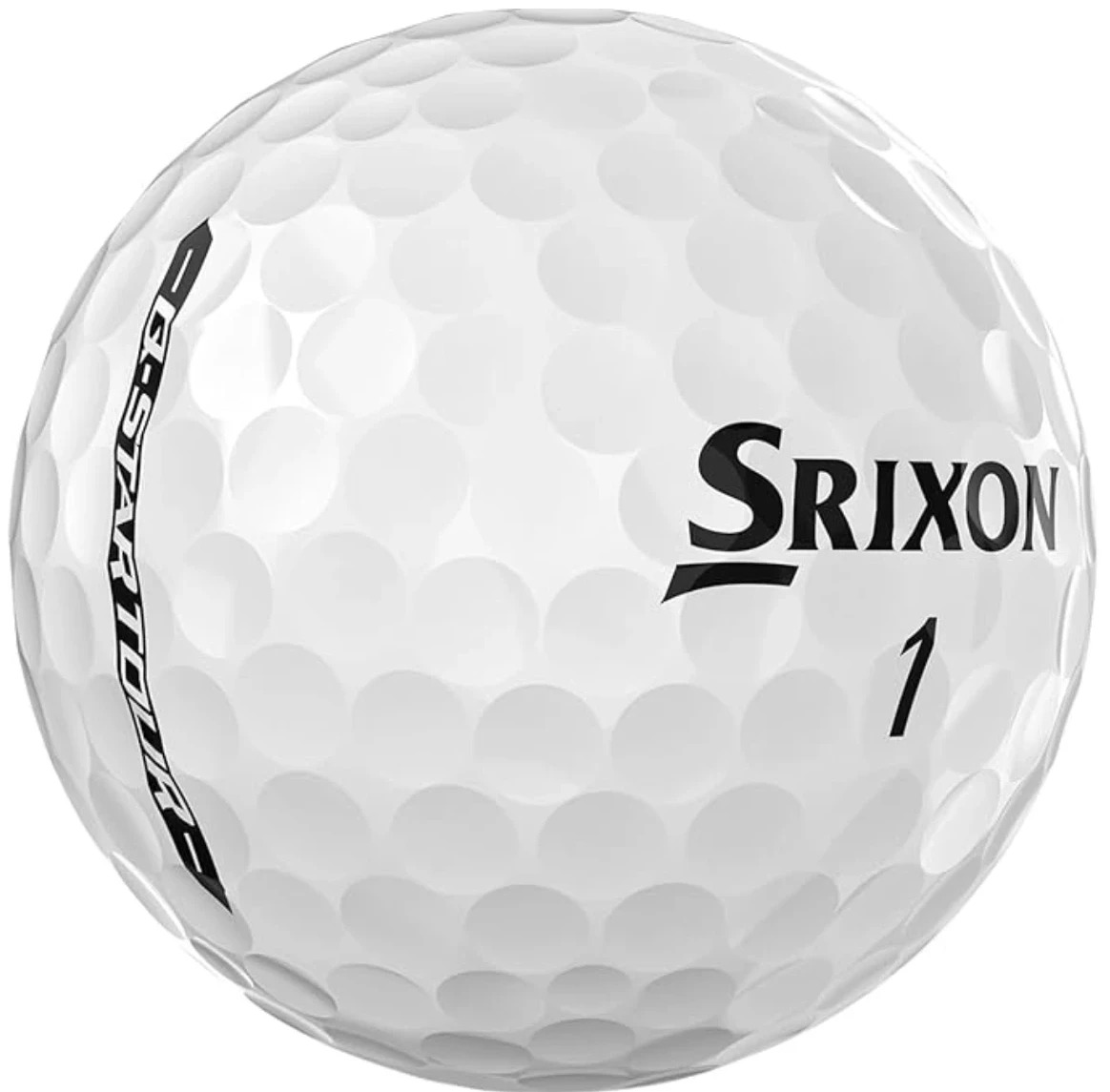
2. Srixon QStar Tour
Srixon’s QStar Tour has earned its spot in my ball rotation over the years. It’s a three piece urethane covered ball designed to offer both distance and greenside spin. The QStar Tour is especially good for moderate swing speeds. If your driver swing is under 95 mph, this ball can really work for you. I’ve seen friends in their 60s get better launch and performance switching to this from firmer balls.
- Urethane cover offers actual tour level spin on chips and pitches, great for learning how to control roll out.
- Good distance but with mid range driver spin for extra accuracy.
- One of the softest balls in its price class, without sacrificing durability.
3. Callaway Chrome Soft (and Chrome Soft X LS)
Callaway’s Chrome Soft is well known for its soft feel, which is a big plus for mid handicappers who care about how the ball comes off the putter and wedges. This golf ball feels almost like a tour ball, but it’s not as hard to compress. Even golfers with swing speeds in the mid 80s mph range can see great results.
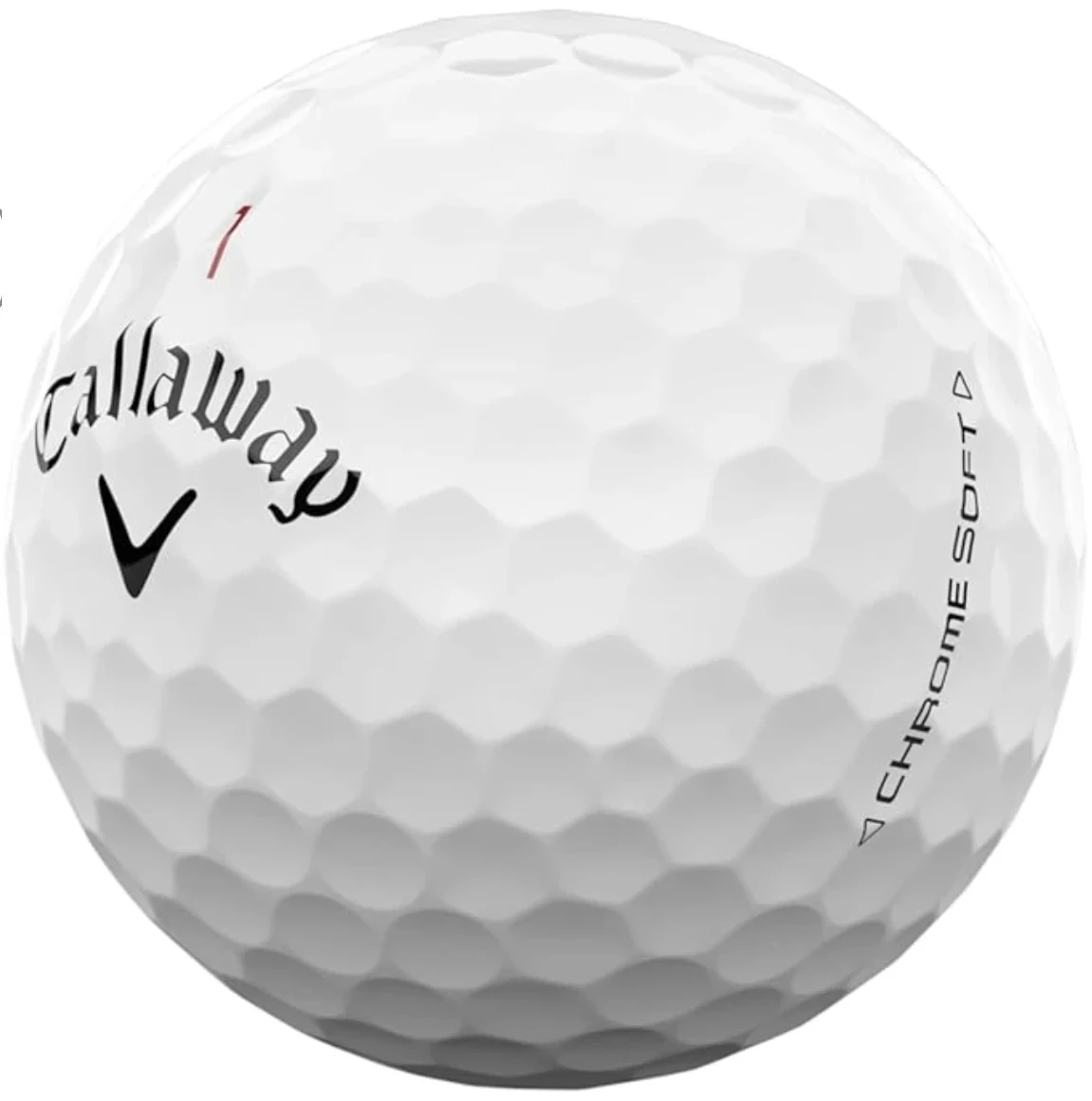
- Delivers good distance with a really soft feel.
- The low spin off the driver helps avoid big slices or hooks but there’s enough short game spin for approach shots.
- Great choice for older players who want premium performance but don’t swing like they did at 25.
The Chrome Soft X LS (Low Spin) is a firmer, longer version worth a look if you swing faster, but most mid handicappers will do best with the regular Chrome Soft.
4. Bridgestone e6
The Bridgestone e6 is one of the best values for mid handicappers who want less sidespin, extra forgiveness, and a higher launch. This ball is known for being straight off the driver, helps cut down on those brutal slices, and is easy to find in both standard and yellow options.
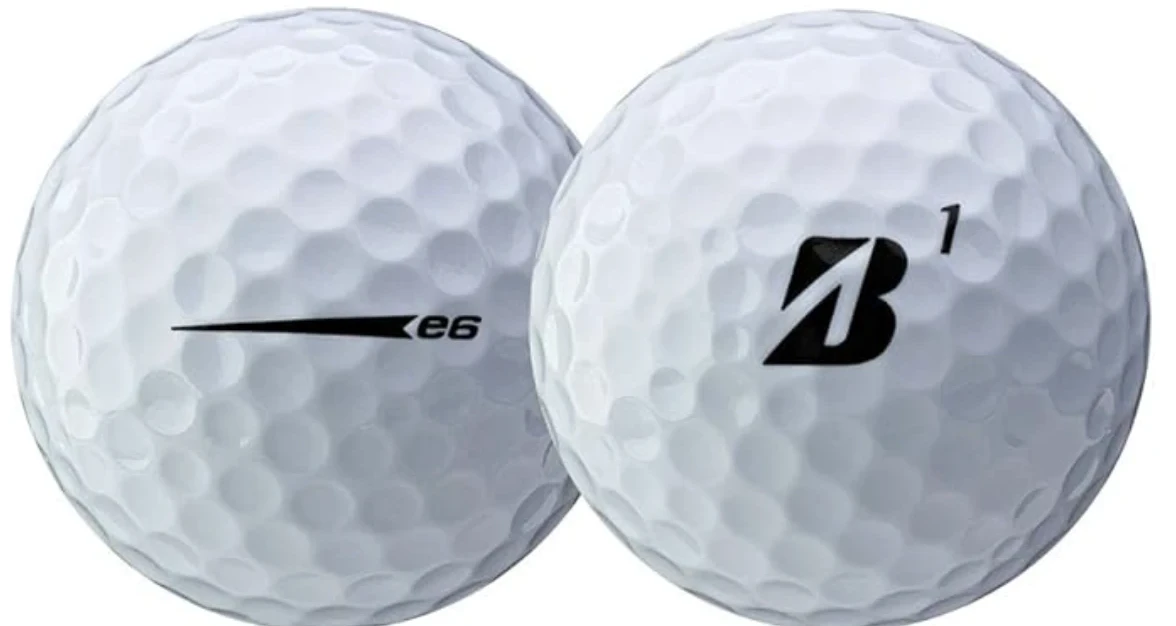
- Lots of compression for distance, but not so much that you lose feel on chips.
- Great pick for swing speeds under 90 mph; ideal for many golfers over 50 who want less effort for more yards.
- Won’t spin like a tour ball on wedges, but that’s a trade off for its straight flight.
5. TaylorMade Tour Response
I’ve had several friends make the switch to TaylorMade Tour Response and see a real jump in both distance and control. This ball is engineered to mimic the feel and performance of a premium (Pro V1 type) ball but with a lower compression and a friendlier price tag. It’s a good option if you want a bit more “pop” and don’t want to pay too much over $70 a box.
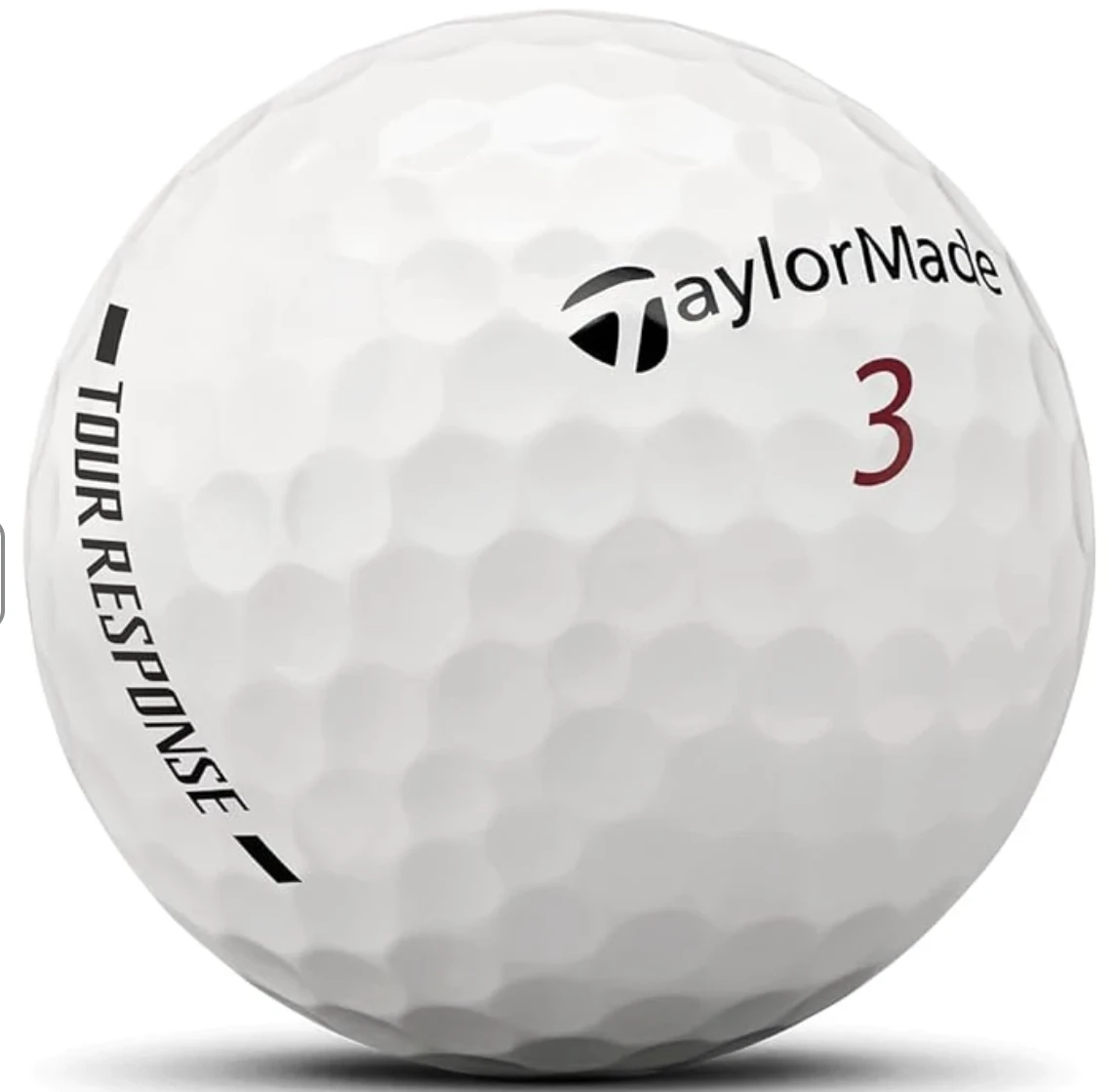
- Urethane cover gives it a soft, tour like feel and high spin around the greens.
- Works well for moderate to slow swing speeds.
- Priced right for golfers who lose a few each round.
6. Vice Pro Soft
Vice is newer, but I like their Pro Soft model a lot for mid handicappers who want a premium feel but not the high compression. The ball comes in some fun colors that are easy to identify on the course and the quality for the price is tough to beat.
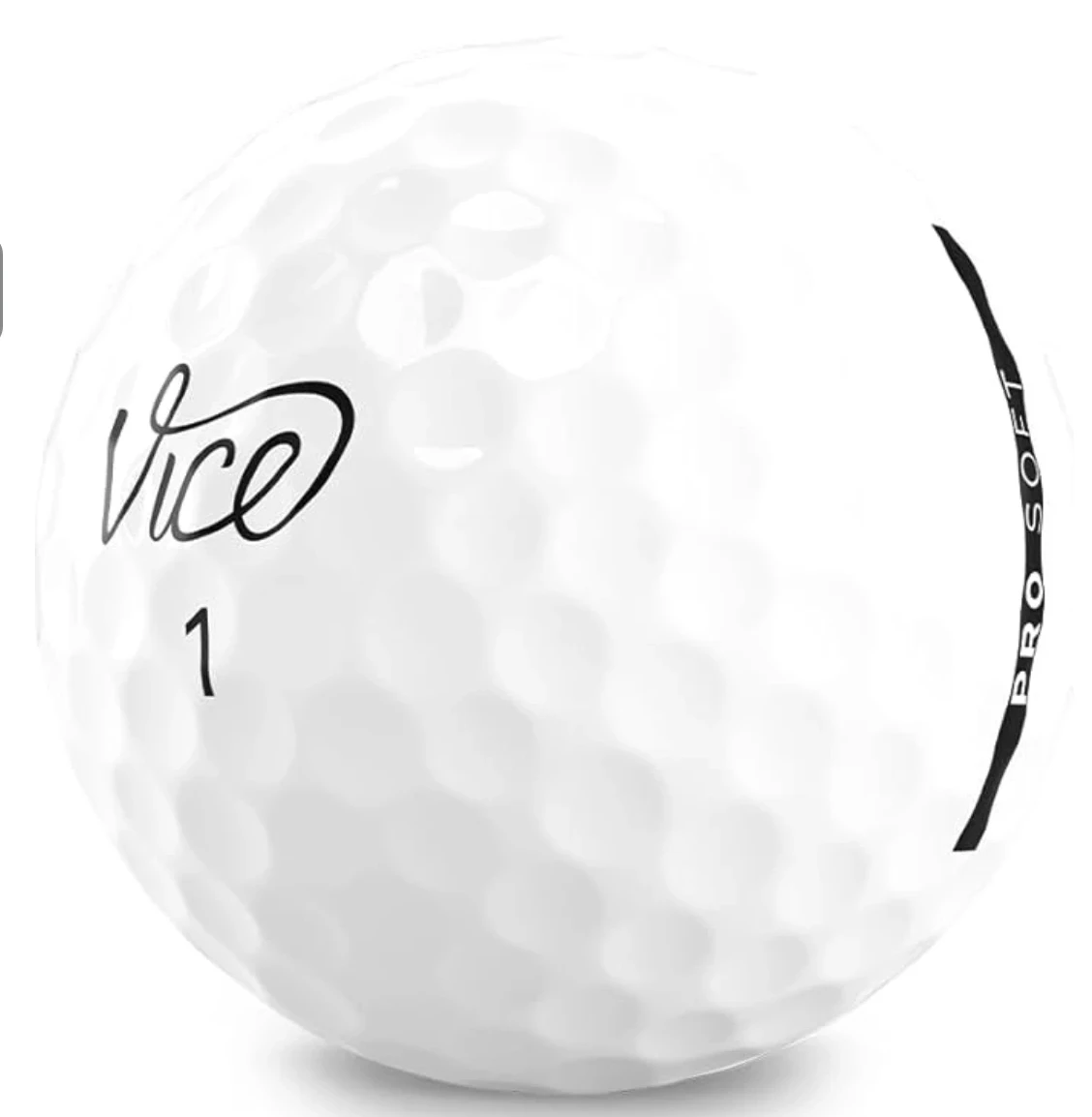
- Lower compression is suited to moderate or slower swings, so good for players over 50.
- Soft feel on both drivers and putters.
- Online direct to consumer pricing means you save versus big brands.
Golf Ball Compression: What Does it Mean for Mid Handicappers?
Compression is a number that tells you how easily a golf ball compresses (or squashes) at impact. In simple terms, higher compression balls are better for faster swingers, while lower compression balls help slower or moderate swing speeds get more distance and a better feel. Finding the right compression is a really important part of getting the most out of your game.
- Low compression (below 70): Easier to compress, great for moderate or slow swing speeds (less than 90 mph). Helps you get both distance and a soft feel. Examples include the Srixon Soft Feel, Bridgestone e6, and Vice Pro Soft.
- Mid compression (70–90): Most mid handicappers fit here. These balls work for swing speeds between 85 and 105 mph. They balance distance, spin, and feel. Good choices are Titleist Tour Soft, TaylorMade Tour Response, and QStar Tour.
- High compression (over 90): These balls fit swing speeds above 105 mph. Usually for low handicappers or professionals.
If you are over 50 and your swing has slowed down, a low compression ball is your friend. Don’t worry about what the “pros” play. I’ve watched plenty of students gain 15+ yards by simply playing a ball that matches how fast they actually swing.
Best Golf Balls for Slower Swing Speeds (Including Players Over 50)
As someone who coaches and plays with lots of golfers over 50, I see the same problem: people keep using the golf balls they played when they swung 20 mph faster. If you want your tee shots and approach shots to work for you, go with a ball designed for your ability, not what you wish you could swing.
My go to recommendations for slower swing speeds include:
- Srixon Soft Feel: This is my favorite for pure value and performance. Low compression core, soft cover, high launch. Big distance gains for moderate swingers, and won’t break the bank. I give this one to Dad every Father’s Day.
- Callaway Supersoft: The name says it all. Low spin off the tee for straighter shots, plenty of height, and very soft feel for putting and chipping. Makes golf easier, especially when you don’t hit it as far as you used to.
- Bridgestone e12 Contact: Slightly firmer than e6 but still great for slower swings, plus the dimple pattern adds a little extra distance.
Using these kinds of balls, I’ve watched players pick up 10–25 yards off the tee and find greens in regulation more easily. Soft balls help everyone, but they make an extra impact for golfers who aren’t generating all their speed from strength and athleticism anymore.
How the Right Golf Ball Can Help Your Game
There are a few things I notice every time I do golf ball tests with other mid handicap players. The wrong ball can sabotage distance, make putting tougher, and cost you shots from the rough. That being said, making the right choice isn’t a magic fix for your game, but it’s one of the easiest equipment changes to make for better results.
- Improved Distance: A ball that you can compress adds yardage. The right match also helps keep your launch angle consistent for better carry.
- Better Spin Around the Greens: Mid handicappers often struggle with rollout and stopping chips. Urethane covers help, but even soft ionomer covers can give you extra bite compared to hard distance balls.
- Consistent Ball Flight: Balls with lower driver spin minimize hooks and slices. I’ve watched my friends’ drives land in play far more often with straighter flying models.
- Smoother Putting and Chipping: Feel makes a difference on the greens, and a softer ball can help with touch.
Testing and Comparing Golf Balls: What I Look For
When I test golf balls, I look at every shot from tee to green. I encourage you to do the same if you’re trying to settle on your best option. Here’s what I pay attention to and what I recommend:
- Off the Tee: Look for distance and ball flight. A higher launch can help if you need more carry. Compare your slice or hook tendency with different models too.
- From the Fairway: How does the ball perform with mid and short irons? Are you able to get good height and enough spin to stop it on the green?
- Wedge Shots: Pay close attention to how the ball reacts when you chip and pitch. Does it check up or release?
- Putting Feel: This is personal. Some like soft, muted feedback. Others like a little click. Experiment to see what gives you confidence.
- Durability: Play at least 6 to 9 holes and see how the cover holds up, especially if you tend to hit cart paths, trees, or bunkers.
Keeping a sleeve or two of your top contenders in your bag and swapping them out for a few holes is a great way to make a final pick.
Golf Ball Myths: What Doesn’t Really Matter as a Mid Handicapper
I’ve listened to just about every golf ball myth out there on the range. A few things get repeated a lot but don’t actually make a difference for most mid handicappers:
- “Only Tour Balls Are Worth Playing” – Not true for the mid handicapper. Tour balls like Titleist Pro V1 or TaylorMade TP5 are made for golfers with higher swing speeds and can even cost you distance if your speed is average.
- “More Spin Is Always Better” – High spin balls can actually amplify hooks and slices for mid handicappers. Getting just the right balance of spin and forgiveness is the real key.
- “Distance Balls Don’t Spin” – Modern two piece and three piece designs have gotten a lot better about giving you some short game control, even when designed for distance.
- “Price = Quality” – Plenty of reasonably priced golf balls have high tech, soft covers, and excellent performance. Vice, Srixon, and Bridgestone, for instance, are trusted by mid handicappers for a reason.
How to Choose: Questions to Ask About Your Game
If you’re trying to choose your perfect golf ball, take a look at your own stats and ask yourself:
- What’s my average driver swing speed? (If under 90 mph, lean toward softer, low compression balls.)
- What is my go to ball flight? (If you struggle with slices and hooks, a mid or low spin ball helps.)
- Do I want more control or more forgiveness? (Choose based on your strengths at different distances.)
- What is my usual short game like? (If you want to improve chipping/pitching, look for a ball with higher greenside spin.)
- Is price a big concern? (It’s fine to play used or “logo overrun” balls, but always check cover condition and age.)
Trying different options for a couple rounds is the best way to learn what really fits you. Golf shops often let you buy sleeves instead of whole dozens. Taking a few on the course or using them on the practice green helps make that final decision.
Golf Ball Fitting: Tools and Tech to Help
Just as club fitting can improve your clubs, golf ball fitting (either in person or online) can make a measurable change to your game. When I went through a ball fitting at a big box golf shop, I learned my previous go to was actually costing me up to eight yards per shot and a ton of spin around the greens. Ball fittings measure swing metrics and spin rates using launch monitors. Definitely worth checking out if you want to see cold, hard data.
- Brand specific tools: Brands like Titleist, Bridgestone, and Srixon have online or in person ball fitting, using questions about your game and sometimes a few hitting stats.
- Launch monitor data: Hitting on a launch monitor can show you distance, launch angle, and spin rates for several models side by side.
- Local Pro Help: Don’t hesitate to ask your course pro or fitters. Many have demo sleeves and advice tailored for your swing and typical course conditions.
Taking the time to get fitted, or at least trying a few recommendations using your own launch monitor or Shot Tracer app, pays off in reliable performance.
How Weather and Course Conditions Affect Your Golf Ball Choice
This is something a lot of golfers skip, but course and weather matter. I always keep a few different golf balls in my bag, so I can switch out if it’s especially cold, wet, or windy.
- Cold weather: Go one step softer in compression for cold days. Balls feel firmer and won’t compress as well when temps drop.
- Soft or wet greens: More spin helps hold greens. Urethane cover balls shine here.
- Dried out or fast, firm greens: Too much spin isn’t your friend, firmer, lower compression balls can work better.
- Windy conditions: Balls with lower driver spin fight wind better and hold line, especially off the tee.
Switching up based on the day isn’t “cheating the system.” It’s smart golf, and it’s part of why I pack a couple different sleeves in my bag.
Questions I Get Asked Most About Golf Balls for Mid Handicappers
- “Should I play the same ball every time?”
I recommend it. One brand and model gives you a consistent feel for distance, spin, and putting. Switching every round makes it harder to build your touch and confidence. - “Are there practice or recycled balls worth using?”
I use practice balls for range work and chipping practice, but on the course, always go with new or high quality recycled balls. Heavily worn or water logged balls might perform very differently than fresh ones. - “Is color or visibility important?”
For me, yes, especially late in the day or in the fall. Yellow and orange balls are much easier to spot. I recommend these for anyone who sometimes loses sight of white balls in heavy rough or leaves.
Personal Guidance: My Experience With Different Golf Balls
I’ve played just about everything the local shop sells at one point or another. Early on, I paid no attention to ball fitting and just bought whatever was on sale. Once I started matching my ball to my swing, not only did my distance improve, but I found myself making more up and downs, fewer three putts, and losing fewer balls.
I’ve switched most friends and playing partners to softer options when they ask for advice, especially those who are over 50 or whose swing speed isn’t what it used to be. The confidence boost when you see better ball flight and more reliable rollout is hard to describe.
Finding Value: How to Get the Most Out of Your Golf Ball Purchases
Golf balls can be expensive, especially if you lose more than a couple each round. I always have my eyes on deals, for instance, Vice, Srixon, and even Titleist often run online specials for multidozen packs. Checking clearance racks or picking up logo overruns online is a good way to save, as long as you’re still getting recent models (avoid anything more than a couple years old, since performance can degrade over time). Don’t be afraid to stock up when you see a deal on your favorite model.
Your Next Step: Try and Compare
My advice is don’t get overwhelmed by all the technical details. Pick two or three models based on your swing speed, budget, and playing style, and try them for a couple rounds. Take a few notes about distance, feel, and control, you’ll be surprised how going through this process makes the right pick clear.
If you focus on matching the ball to your ability, you’ll see results on the course. The most important thing is to have fun out there and make every shot count.
Got questions about a specific model or want advice for your local course’s weather and conditions? I always enjoy helping fellow golfers find the right fit, so shoot me a comment or drop a question below if you need a little extra guidance.