
Choosing the right golf ball can make a real difference for senior golfers looking to boost distance off the tee and fairway. As someone who’s helped many players find gear that works for their swing speed and playing style, I understand how important it is to find a ball that adds yards without making you feel like you’re sacrificing feel or control. I put together this guide to help senior golfers pick golf balls designed to maximize distance and still deliver a soft, confident touch around the greens.
Why Golf Ball Choice Matters for Senior Golfers
Age can slow down swing speed, but the right golf ball helps you play at your best. Golf technology is always evolving, giving senior players more options for ball construction, compression, and spin. According to research from the National Golf Foundation, about 1 in 4 golfers in the U.S. are over 60. This group benefits from gear tailored to their specific needs. Golf balls play a big part in this equation since they can help seniors make the most of their abilities.
Choosing a ball that matches your swing speed, physical capability, and game goals pays off in several ways. Many modern options focus on lower compression, soft covers, and technology to help launch the ball higher while reducing unwanted side spin. When I help seniors with club fitting, I notice that switching to a more appropriate ball often adds 5 to 15 extra yards for many players. That can mean shorter approach shots, easier pars, and more fun on the course. The right ball choice really lets senior golfers get more enjoyment from each round.
What Features to Look for in Distance Golf Balls for Seniors
I always recommend looking at golf ball compression, cover material, dimple pattern, and how the ball feels. Here are key factors for maximizing distance without losing short-game confidence:
- Low Compression: Lower compression balls let slower swing speeds compress the ball more, which means higher ball speeds and longer flight. For seniors, a compression rating between 40 and 70 works well and offers both distance and comfort.
- Soft Cover: A soft cover, usually made from ionomer or hybrid material, gives added distance but still helps with control and comfort on chips and putts. The softer feel can give relief to hands and wrists for seniors who prefer a gentler touch.
- High Energy Core: Golf balls with a high resilience core are built to convert swing energy into ball speed efficiently. This helps you reach maximum distance with less effort and reduces fatigue over the round.
- Dimple Pattern: An optimized dimple design can lift the ball into the air and reduce drag. This helps you get higher, straighter shots even with lower swing speeds. Advanced dimple technologies can make a consistent, stable flight possible for everyone.
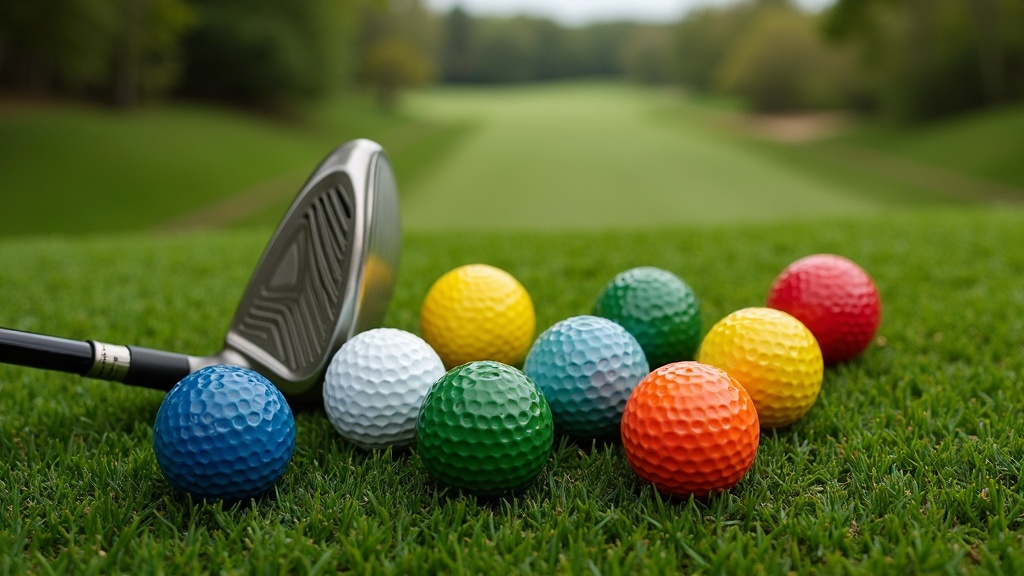
Another feature worth considering is ball color. Bright or eye-catching colors like yellow or orange can make tracking your shots easier, especially if your eyesight isn’t what it used to be. For many seniors, visually distinctive balls help save time and reduce frustration looking for balls in the rough.
My Top Picks: Golf Balls That Add Distance for Senior Players
After testing a wide range and gathering input from senior golfers at my local clubs, I narrowed down some options that consistently perform well for distance and playability. All of these balls are budget-friendly and widely available, so it’s easy to experiment:
- Srixon Soft Feel: This ball is one of my go-to recommendations because of its super low compression core (60) and very soft feel. Seniors notice better lift and extra yards off the tee; the cover is tough enough for longer play but still great around the greens for touch shots.
- Titleist Tour Soft: With a responsive core and an ultra thin cover, many seniors say this ball launches high and stays straight. Even players with moderate swing speeds find a clear distance boost along with a soft feel on shots close to the hole.
- Callaway Supersoft: The name fits. With low compression (38) and HEX dimple technology, this ball is light off the clubface and easy to control. Most seniors I talk to see an immediate difference in carry distance and appreciate the gentle feedback on mis-hits.
- Bridgestone e12 Contact: Bridgestone uses a Contact Force dimple design to maximize energy transfer. In my experience, this gives slower swing speeds surprising distance while helping cut down side spin for straighter shots, which can help avoid those frustrating slices.
- Wilson Duo Soft+: One of the lowest compression balls available, this one helps many senior players reach peak launch even with a gentle swing. The soft feel builds confidence on putts and chips, making it a popular option at my club.
Each of these balls balances distance, feel, and user friendly performance, so seniors can find a match whether they prioritize soft touch or extra yards.
Guide to Choosing the Best Distance Ball for Your Game
Picking the right distance-friendly golf ball for seniors isn’t just about what’s written on the box. Individual swing style, preferences, and budget all play a role. Here’s how I approach it when testing or suggesting balls:
- Know Your Swing Speed: Most club pros offer swing speed measurements. If your driver swing speed is under 90 mph, a low compression ball is probably your best bet—these compress with less force and maximize distance for slower swings.
- Check the Greenside Feel: Some distance balls feel “clicky” on putts or chips. Try a sleeve and pay attention to how the ball responds inside 30 yards. If it feels harsh, look for another low compression option that provides softness around the green.
- Read User Reviews: I spend a lot of time reading comments and talking to other seniors about their experiences. Look for consistent feedback among players with similar swing speeds and handicap for the most useful advice.
- Buy in Small Quantities First: Instead of buying a dozen, get a sleeve or two to test on the course. Sometimes a ball that looks good on paper feels different during an actual round.
If you’re not sure where to start, ask your club pro for advice or track down local golf shops that let you test a variety of brands. It helps to bring two or three models to your next game and hit them side by side for comparison. The right choice will be obvious after a few holes.
Key Factors That Can Affect Performance
Golf balls play a big role, but other factors influence total distance as well. Here are some things I remind seniors to think about—picking the right ball won’t solve every distance issue:
- Equipment Fit: Outdated or poorly fit clubs can sap distance, even with a great ball. Getting fit for a lighter, flexible shaft can help add a few valuable yards.
- Physical Fitness: Light stretching and basic strength work make a positive impact on swing mechanics, helping you get the most out of your golf ball choice and stay healthy for more rounds.
- Weather: Wind, heat, and humidity all affect ball flight. On cold days, some balls harden and lose distance, so keep that in mind during the cooler months.
Equipment Fit
I check in with a club fitter every season or two to make sure my clubs match my current swing. Even swapping to a lighter shaft can help maximize gains from a modern distance ball. Today’s club fitters make it easy to try different options before you commit.
Physical Fitness
Regular walking, gentle flexibility routines, and consistent warmups before a round help me get the most distance from my shots. Seniors with physical limitations can still benefit from focusing on flexibility and a smooth, steady tempo over raw speed. Every little bit helps in preserving your game and avoiding injury.
Weather
Every golfer notices their ball travels shorter on chilly days. I sometimes switch to a softer ball in cold weather, since it feels better and compresses more easily. Pay attention to the temperature and adjust your equipment or golf ball choice accordingly for the best results.
I’ve found that while golf balls designed for distance help, it’s smart to look at your entire game for steady improvement. Pairing a distance-focused ball with the right gear and staying fit adds up and makes a bigger difference than focusing on one factor alone.
Practical Examples: Distance Golf Balls in Action
- Seniors with slower swings: I’ve seen players gain over 10 yards by switching from a high compression ball to a soft one built for slower swings. It’s a small change with a big payoff.
- Mid handicap players: Friends of mine with mid-teen handicaps report tighter shot dispersion and longer carry distances with Callaway Supersoft or Bridgestone e12 Contact. They say confidence grows when the ball lands closer to the target shot after shot.
- Short game improvement: Some low compression distance balls, like the Srixon Soft Feel, offer great control in the short game while boosting distance off the tee. Seniors appreciate not giving up feel for gains in yards.
For one local golf group, switching to distance-friendly balls led to lower scores for several seniors over the season. Seeing real results firsthand has convinced many to explore more new equipment and keep upgrading their golf experience.
Frequently Asked Questions
These are some common questions I get from senior golfers:
Question: Can a golf ball really make a difference in my distance?
Answer: Yes, a ball that fits your swing speed can add distance and make it easier to get the ball in the air. Several of my clients have picked up extra yards just by making the right choice.
Question: Is there a trade-off between distance and soft feel?
Answer: Modern golf balls often provide both. Testing a few types will show what feels and performs best. Choose one that fits your swing and feels comfortable for your putting and chipping, so you get the benefits of both worlds.
Question: How often should I try new golf balls?
Answer: I recommend re-testing every season or two, especially if your swing changes or your distance drops off. Mixing in some variety helps you find current products that suit you best.
Next Steps for Seniors Looking to Add Distance
Switching to a distance-focused golf ball is an easy way to add enjoyment and yards to your rounds. Focus on testing low compression balls designed for slower swing speeds, and pay attention to each option’s feel on and around the greens. Combining smart equipment updates, a bit of fitness, and the right golf ball helps you get more out of your game at any age. Time to get out there and try a few—steady gains are within reach for senior golfers focused on the right details.