
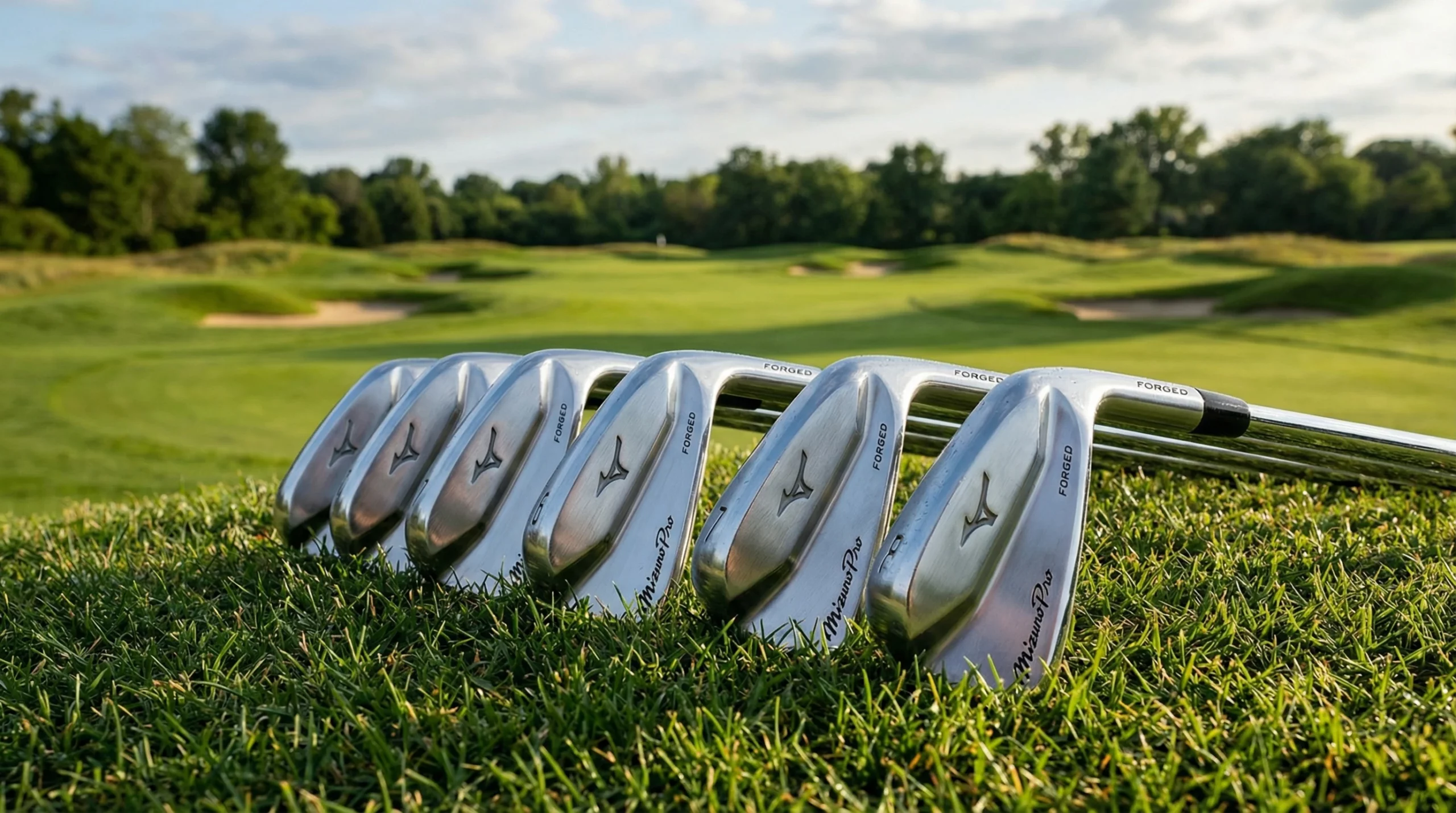
If you’re a golfer in the mid to high handicap range, picking the right set of irons can help make a real difference in your game. These irons are designed to offer more forgiveness for mishits and give extra confidence when you stand over the ball. I’ve been through the search myself, so I know how confusing it can feel with all the new launches and marketing promises. In this article, I’ll walk you through what to look for, some of the best options available in 2025, and even a sneak peek at what’s coming up for 2026.
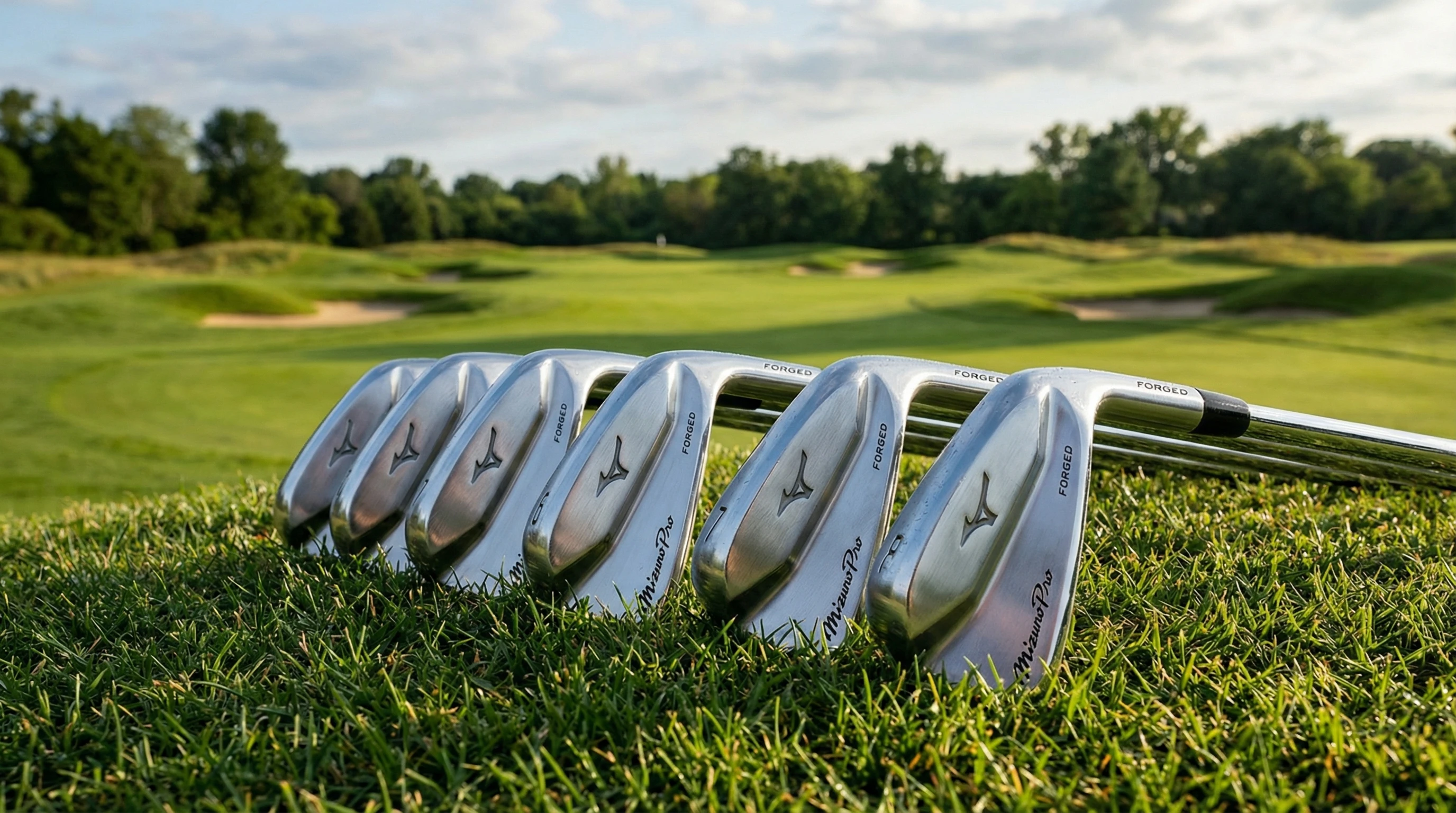
What Makes an Iron Good for Mid to High Handicappers?
For those of us who are still working towards consistent scores in the 80s or 90s (or higher), certain features in irons can really help. The most important qualities include forgiveness, distance, and a straight ball flight. Most mid to high handicap golfers benefit from irons with larger clubheads and wider soles. These details make it easier to get the ball airborne even if contact isn’t perfect.
Manufacturers call these “game improvement irons” or “super game improvement” models. They use materials and designs that add extra stability at impact. For instance, cavity back irons move the club’s weight around the edge of the head, which dulls the negative effect of off-center strikes. Some sets even use hybrid-style long irons because these are easier to hit than traditional ones. If you want to get into more specifics, you might notice that modern designs often employ advanced alloys or tungsten weighting for better balance and stability. This means even when you don’t strike the ball flush, you’ll still get decent distance and accuracy.
Key Features to Consider When Choosing Irons in 2025
I always pay close attention to a few features before buying any irons. Here are the main points I focus on:
- Forgiveness: This tells you how well the iron performs even when the ball is hit somewhere other than the sweet spot. Models with generous perimeter weighting and large club faces tend to offer more forgiveness. You want clubs that make misstrikes less punishing and keep your shots in play.
- Launch and Distance: Mid to high handicappers usually need help getting the ball airborne and want extra yards. Designs with low centers of gravity (CG) promote higher launch angles and better carry distance. Some of the latest releases also include face flex technology for more consistent distance across the set.
- Feel: While forgiveness and distance matter most, the way a club feels at impact gives you feedback on your swing. Some players want a smoother, softer sensation, while others prefer a more solid, responsive hit. Trying different options before you buy will help you find a set that matches your preference.
- Look: If my clubs look good behind the ball, I play with more confidence. Larger clubheads might look bulky to some golfers, but these shapes usually make the game a bit easier for mid to high handicappers. Clean lines and appealing finishes can step up your overall comfort and self-assurance on the course.
- Set Makeup: Blending hybrids or fairway woods with iron sets makes it easier to hit longer shots. Check if the set includes these clubs or if you’ll want to add them. Many game improvement sets come with hybrid replacements for the lowest irons, which can seriously step up your long game without adding complexity.
Best Mid to High Handicap Irons for 2025
This year has seen some really strong releases built for golfers who want more forgiveness and better launch. I’ve either personally tried these irons or gathered feedback from players with similar skills. Here are my top picks for 2025:
- TaylorMade Qi Irons: I like these irons because they have a wide sole and a low CG. Even my mishits go reasonably straight and far. The Cap Back Design adds to the stability and makes them feel softer at impact. They also transition nicely from the longer to shorter irons, and TaylorMade says the increased face flexibility boosts distance across the set. Golfers with inconsistent ball striking will especially enjoy that added margin for error.
- Callaway Paradym X Irons: These stand out for their combination of distance and forgiveness. The forged face feels solid, and the tungsten weights provide plenty of help for misstrikes. I found the sound to be surprisingly satisfying, which I always look for in a new club. The wider sole and thicker topline also provide more confidence when addressing the ball.
- PING G430 Irons: My experience with these has shown how much forgiveness can really be packed into a midgame iron. The G430 design provides a high launch and a big sweet spot. Golfers who struggle to get the ball up will appreciate the difference. The Hydropearl finish helps the club glide through tough lies, making them reliable in various conditions. Feedback from a friend who recently switched highlights how the G430s made a noticeable difference in his scoring consistency.
- Cobra Darkspeed MAX Irons: Cobra’s Darkspeed MAX irons are all about boosting distance while keeping forgiveness high. These are a strong choice if you’re looking to hit it farther without sacrificing playability. The wider sole and deep undercut cavity help get shots up in the air, while the topline inspires confidence. Additionally, the feel off the clubface is responsive without feeling harsh, and the finish gives them a bit of that next-level cool factor.
All these models are available in both steel and graphite shaft options, so it’s easy to tailor them to your swing speed and preference. Trying them out at a fitting center can really help narrow down the best fit for your game. If you can’t access a fitting center, at least try to hit demo clubs on a range or in-store simulator—getting firsthand experience is invaluable.
What to Expect From 2026 Irons
Manufacturers are already starting to tease their next releases, and I’m hearing some exciting rumors for 2026. Some brands are planning to use more AI design tools to fine tune weight distribution and sweet spot size even further. Early prototype info suggests that we’ll see:
- Mizuno JPX 950 Series: Mizuno has hinted at adding additional stability in the longer irons while keeping short irons compact. They’re likely to introduce new vibration dampening tech for better feel. If you’re a fan of Mizuno’s traditional soft feel, these updates could make their new irons even more playable for mid to high handicappers.
- Titleist T400 Gen 2 Irons: These are expected to build on the success of the current T400s, with even lighter weighting and a slimmer look, making them attractive for golfers wanting both speed and control. Word is, the new T400s will also sport updated turf interacting soles and new materials for an improved sound and feel.
- Wilson Launch Pad 3 Irons: Wilson’s Launch Pad series is rumored to get another update, with more hybrids included in the set and progressive sole widths to help ease turf interaction through the bag. For many buyers, the Launch Pad line’s unique combo of easy launch and hybridstyle looks can make iron play a lot less intimidating.
Staying up to date with prerelease club reviews and launch announcements really matters for getting the right timing on a purchase. Sometimes, holding off until next year might deliver something that fits your swing better if you’re not in a hurry. You never know when a new technology could perfectly suit your style, so tracking club preview events and reading early reviews is worth it.
Some Advice to Make the Most of Your Irons
I’ve noticed a few things that make it easier to get real improvement from your new irons. Matching your clubs to your playing style and needs is really important, as is taking the time to practice with them before expecting results on the scorecard. Don’t forget, patience and practice go a long way; most golfers need a few rounds to adapt and really start seeing lower scores.
- Custom Fitting: Getting fit by a pro or using a club fitting service helps make sure the shaft flex, grip size, and lie angle suit your swing. Even simple tweaks make a big difference in comfort and performance. A fitting can also highlight whether extra length or upright lie angles would help your particular swing shape.
- Practice Different Lies: I like to take my new irons out on the range and practice hitting from different lies and rough areas. This gives me better confidence for on-course situations. Practicing from uphill, downhill, and tight lies helps make club performance feel more natural regardless of conditions.
- Focus on Tempo: Mid to high handicap irons are built for forgiveness, but if you swing too fast or too aggressively, it’s easy to lose accuracy. Slowing down my tempo and focusing on solid contact brings more out of these clubs. A smooth, steady swing will help you use the club’s forgiveness features to their fullest.
Common Questions About Mid High Handicap Irons
Over the years, I’ve been asked a lot about irons for this skill level. Here are some questions I hear most often:
Q: Should I get a complete iron set or combination set with hybrids?
A: If you have trouble hitting low lofted irons (like 4, 5, or 6), I suggest going with a set that replaces these with hybrids. They’re just easier to launch and control for most players with mid to high handicaps. Having hybrids in the bag can take stress off your long game, especially on par 5s and long par 4s.
Q: How often should I replace my irons?
A: Most golfers can keep a quality set for 5-7 years, but if you notice the grooves wearing down or if your game has changed a lot, it’s worth considering something newer with updated technology. Regularly checking the condition of your clubs helps you spot signs of wear before your performance slips.
Q: Do shafts really matter for my irons?
A: Yes, shaft selection affects ball flight, feel, and even distance. Slower swing speeds generally benefit from lighter graphite shafts, while faster swingers may prefer steel for more control. Always ask a fitter for shaft recommendations if you’re not sure, or read up on shaft weight and flex guides online.
Q: Are brand new models worth the higher price?
A: New releases usually include the latest improvements, but last year’s models often offer great value with only minor differences in performance. It depends on your budget and how important the newest tech is to you. Sometimes manufacturers run specials on outgoing models, so you can still get top features at a better price.
Best Ways to Try Before You Buy
I always recommend testing clubs before making a purchase. Most golf shops and pro shops now offer demo days or club fitting sessions that allow you to try several different styles before you commit. Some stores even offer a playability guarantee in case the set is not right for you after a month or two.
For mid to high handicappers, trying out different lies, hitting fairway and rough shots, and paying attention to how the club feels are all worth checking before you decide. If possible, borrow a demo set for a full round so you can see how they do on the course, not just in a hitting bay. Joining a test event with friends can also give you a sense of how certain sets play when the pressure is on, rather than just during practice swings.
Wrapping Up
With so many mid to high handicap irons hitting the shelves in 2025, the choice can seem overwhelming, but the right information makes the process much easier. Prioritizing forgiveness, playability, distance, and the right look has always helped me find a set that gives me confidence. If you’re not sure what to get, visiting a club fitter or golf store for hands-on advice and a few swings can really help. Keeping an eye on next year’s releases might also give you something even better to work toward if you enjoy staying on top of golf technology. In the end, trust your feel and instinct and focus on clubs that help you enjoy the game and improve your scores over time; that’s what really matters.