
Practicing your golf swing at home offers a lot of flexibility and can really help you groove good habits without heading to the range every day. Whether you’re looking to build muscle memory, work on your technique, or just fit in more practice around your busy life, you can definitely make progress from your living room, garage, or backyard. This guide will dig into practical ways to practice your golf swing at home, the gear you might want to have handy, and some tips to watch out for, so you stay sharp and safe as you train.
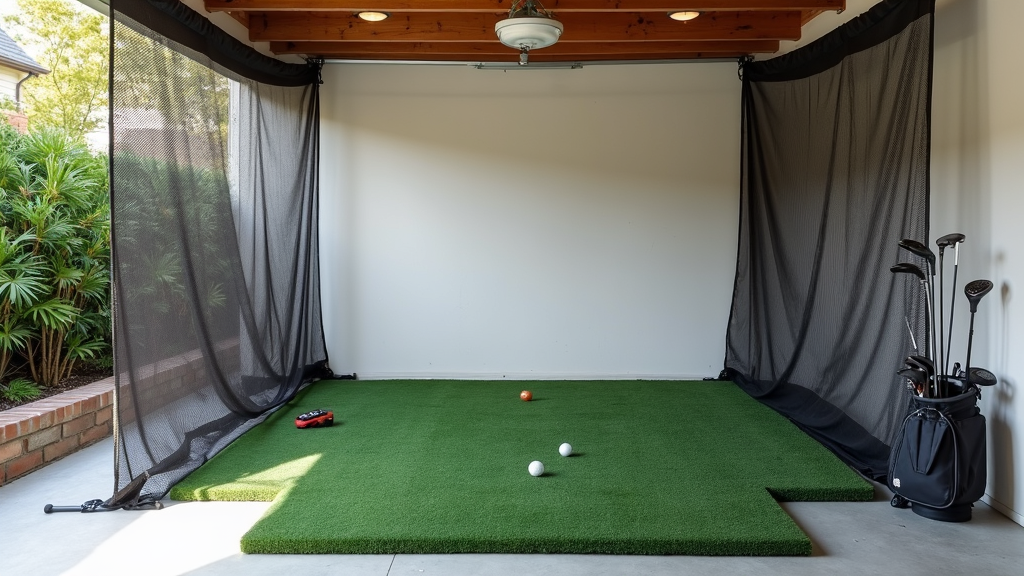
Why Practice Golf Swing At Home?
Spending some time swinging at home isn’t just for beginners; even tour pros use home setups for extra reps away from the course. The accessibility is a huge perk. There’s no need to drive to the range or fight for a spot on busy days. Home practice helps you in several ways:
- Building Consistency: Repetition is everything when you want your swing to stick. At home, you can swing every day, even if you only have 10 minutes.
- Fine-Tuning Technique: Working in a smaller space helps you focus on body movement, tempo, and minor adjustments that make a big difference.
- Staying Engaged: Practicing at home keeps you in the golf mindset, so you don’t lose touch during offseason or rainy weeks.
- Saving Money: No range balls or green fees here, just some simple gear and a bit of open space.
Many players use home practice to break bad habits or get ready for the first tee after a long layoff. It’s an easy way to keep growing, no matter your current skill level.
Setting Up Your Home Golf Practice Area
Creating a solid practice spot doesn’t mean you need a big budget or lots of room. You just want a place where you’re comfortable swinging a club and won’t break anything valuable in the process. Here are my main tips:
- Pick Your Space: Spare room, basement, garage, or backyard all work. Make sure you have enough clearance for a full swing, even if you choke down on a club for safety’s sake.
- Use a Golf Mat: A hitting mat protects your wrists and the floor. Some mats are basic, but you can find thicker ones that feel closer to real turf for a more golf course-like experience.
- Add a Net (If You Can): A net lets you hit real balls safely indoors or outside. It’s not required, but super useful if you want to see your shots off the clubface.
- Mirror or Camera: Self-feedback is key. A wall mirror helps you see your setup and swing path. A phone or tablet on a tripod makes it easy to record your swing from different angles.
Home Golf Swing Drills and Routines
You get the best results from home practice when you stick to simple, focused drills. Here are a bunch of routines I recommend:
- Slow Motion Swings: Taking slow, exaggerated swings helps you feel the right spots for takeaway, top of swing, and impact. There’s no ball needed; just focus on movement and balance.
- One-Handed Swings: Hold the club with just your lead hand (left for righties) to step up strength and control. Alternate with your trail hand to work both sides of your swing mechanics.
- Pillow Drill: Place a couch pillow or small object behind your lead hip. On the downswing, try to rotate and touch your hip to the object. This trains good hip movement and keeps you from swaying.
- Gate Drill for Path: Make a “gate” with two empty water bottles on your mat, a little wider than your club head. Swing through the gate without hitting the bottles to develop a straight swing path.
- Impact Bag: If you have an impact bag or a sturdy pillow, hit it lightly to practice delivering the club with a square face and get the feel of solid contact.
Grip and Setup Checks
It’s easy to mess up your fundamental grip or posture, especially if you’re learning on your own. Take some time each session to check:
- Grip pressure—light but secure, not too tight
- Feet width and alignment to target
- Posture—slight knee bend, tilted spine, back flat, arms relaxed
I like to stand in front of a mirror with the club, set up like I’m about to hit, and check these basics before I start any swings. This habit sets you up for success when you hit the range or the course later on.
Quick Guide: How to Practice Golf Swing At Home
Practicing well at home should be all about focusing on quality, not just cranking out hundreds of swings. Try following this quick step-by-step idea to make your home sessions count:
- Warm Up Your Body: Stretch or move around. Shoulder rolls, toe touches, and some light twisting loosen things up and get you ready.
- Use a Mirror or Camera: Give yourself feedback you can see. Check your position at setup, halfway back, and finish.
- Stick to a Plan: Choose one or two drills for each session. Avoid trying everything at once, or it can get confusing quickly.
- Swing Slow and Controlled: Especially indoors, slow-motion swings let you really feel each part of your swing and spot problems.
- Build Up to Full Speed: Only ramp up speed if you feel good with your movements and have the space and safety gear for it.
A consistent 10-minute routine a few times a week is often more effective than going all out sporadically. Steady work builds real results.
Things To Watch Out For When Practicing Indoors
Practicing inside isn’t always easy and there are a few hurdles that can trip up any home golfer. Here are some things I learned to appreciate after plenty of home practice:
- Limited Space: Even with a garage or backyard, double-check your clearance around and above you. Try using shorter clubs or holding lower on the grip to keep everything (and everyone) safe.
- Feedback on Ball Flight: Using foam or plastic balls is great for safety, but you won’t see your true ball flight. If you want more feedback, try a launch monitor or step outside with real balls once in a while.
- Slipping on the Floor: Hard floors can be slick, especially if you’re wearing socks or old shoes. Mats with extra grip and proper footwear keep you grounded.
- Noise: Smacking an impact bag or hitting a net can make a lot of noise. In apartments or close neighborhoods, go for foam balls or air swings to keep things quiet and the peace intact.
Working With Limited Gear
You don’t have to buy every golf gadget out there to see results. Weighted clubs, alignment sticks, foam balls, and even home items like towels or pillows get the job done. The key is practicing safely and the right way, not having a pile of gear.
Level Up Tips for Practicing Golf Swing at Home
Once you nail the basics, mix in these ideas to challenge yourself and keep things interesting at home:
Try a Launch Monitor: Portable monitors track club speed, swing angle, and estimated ball flight. Some are affordable and help you track trends as you step up your skills.
Work on Visualization: Stand behind the ball, pick a target in your practice area (like a doorknob or couch cushion) and “see” your ideal shot fly toward it. Visualization builds focus you can use when you’re back on the course.
Mix In Some Putting and Chipping: While this article centers on your full swing, don’t neglect your ground game. Add chipping drills or set up a putting mat for a well-rounded routine.
Simulate Pressure: Set challenges for your practice, like nailing ten good impact positions in a row. Pressure situations keep you sharp and ready for the real thing.
Online video tutorials are another great resource—check out apps or YouTube lessons for routines and new drills that keep you engaged.
Gear You’ll Find Useful For Golf Practice At Home
- Golf Net: Lets you hit real balls without worrying about breaking anything. The right size depends on your space.
- Mat: Saves your floor and your wrists. Mats range from thin, basic options to larger ones with rough or sand sections for advanced practice.
- Foam Practice Balls: Safer indoors than real balls and still help you get a feel for contact.
- Alignment Sticks: Keep your setup, swing path, and aim on point for every drill.
- Mirror or Tripod: Mirrors offer instant feedback, and tripods help with recording swings for watching later.
- Impact Bag: Trains you to hit with power and keeps your clubface square without risking breaking anything.
You really don’t need to load up on gear from the get-go. Start with the basics, and let your needs suggest new purchases as you figure out what moves the needle for your swing.
Frequently Asked Questions
Question: Will practicing golf swing at home actually improve my game?
Answer: Absolutely. Even without seeing every ball flight, home practice improves your movement patterns, grip, and posture, and helps break bad habits. All these translate into better swings on the course.
Question: Is it safe to use real golf balls inside?
Answer: Only if you have a sturdy net and plenty of room. Otherwise, foam balls or air swings are the smart call to keep things safe and everyone happy.
Question: How do I avoid building bad habits at home?
Answer: Use mirrors and cameras, and share videos with a coach or friends. Focus on slow, correct moves and quality over speed or how many swings you can do.
Wrapping Up
Practicing your golf swing at home is a smart move for anyone who wants to keep making progress when time or weather don’t cooperate. By drilling routines, focusing on setup, and using whatever feedback tools you have, you’ll build muscle memory and confidence over time. Just make sure you keep it safe, stay consistent, and pay attention to your fundamentals. With a bit of planning and effort, your home practice area can be the spark that takes your golf game to the next level. Keep swinging, and you’ll see the payoff where it matters most—on the course.