
Tracking your golf performance has changed so much thanks to wearable technology. For years, golfers relied on gut feeling and hand-written notes. Now, a small sensor, a wristband, or even a smart glove can capture loads of data with every swing you take. If you’re newer to this tech, picking the right gadget can feel confusing, but the benefits for both beginners and low-handicap players are hard to ignore. Here’s what you need to know if you want to step up your golf game with wearable tech.
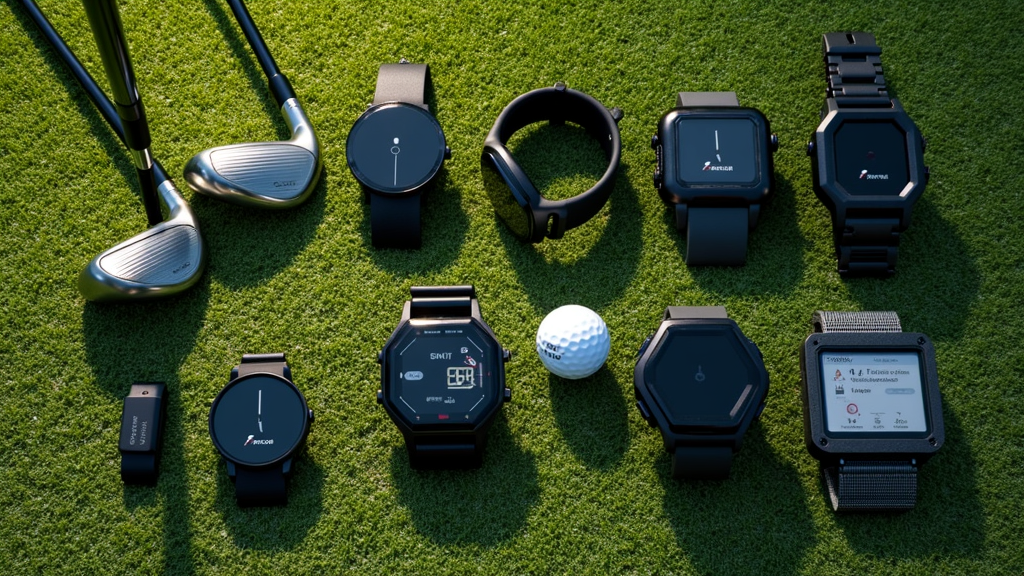
How Wearable Tech Is Changing Golf
Golf used to be a game of instinct and repetition, but wearables have brought in a level of feedback that just wasn’t possible before. Today, sensors and smartwatches aimed at golfers don’t just keep time; they measure swings, track shots, and record stats you can check on your phone minutes after a round. This steady stream of feedback is great for improvement and gives a whole new dimension to practice sessions.
Wearable devices focused on golf have grown popular in recent years. Recent studies from Golf Digest report that more than 40% of amateur golfers are now using some form of shot-tracking tool during regular play. With features that help map courses, monitor heart rate, and record swing tempo, it’s easy to see why more golfers are blending tech into their experience.
Originally designed for professional level practice, these gadgets are now light, affordable, and provide real time data. Whether you’re on a public course or a private track, wearable golf tech puts meaningful insights directly on your wrist, glove, or in your pocket. With access to this kind of feedback, players at all skill levels can spot patterns that might otherwise go unnoticed.
Getting Started: Types of Wearable Golf Tech
The category of wearable golf tech can feel pretty crowded, but most devices fall into a few main groups. Knowing the basics of each helps you decide what kind of feedback you want during rounds or practice sessions.
- Golf Swing Sensors: These are small sensors you attach to your glove, club handle, or even your body. They track things like swing speed, face angle, backswing length, and more. Some models sync to apps and show 3D simulations of your swing, which can be really handy during solo practice.
- Golf GPS Watches: Watches with golf specific features display accurate distances to greens, hazards, and layup points. Many of them also keep track of your score, shot distance, and even suggest club selection based on your history. Some have built in heart rate monitors for those who like to keep tabs on fitness too.
- Smart Golf Gloves: Smart gloves look and feel like regular golf gloves but have lightweight sensors built in to measure grip pressure, swing position, and tempo. Data syncs to a phone app, showing where you’re gripping too hard or coming off plane.
- Performance Tracking Bands: Similar to a fitness band, these devices wrap around your wrist and combine shot-tracking with step count and calorie burn to give a bigger overview of your performance during a round.
Step by Step Guide: Using Wearable Tech for Better Performance
Getting the most out of wearable golf tech doesn’t mean you need to overhaul your kit. Here’s a simple path to making your gear add value on the course.
- Pick the Tech That Matches Your Goals: If you’re looking to fix your swing, start with a dedicated swing sensor. For on course strategy, a GPS watch with shot tracking is more useful.
- Test at the Range First: Practice sessions are the best place to get comfortable using your device. See how it records swings or tracks shots before you try to interpret the data during a real round.
- Sync with Mobile Apps: Most gadgets come with free companion apps. Connecting your device lets you see visual feedback, compare rounds, and track progress over time.
- Set Small, Actionable Targets: Use the feedback from your wearable to adjust one thing at a time. Try changing your swing speed, backswing length, or grip pressure separately. Trying to fix everything all at once can slow improvement.
- Check Progress After Each Round: Review your collected stats and look for trends. Maybe your drives get wild after nine holes or you consistently underclub on approach shots. This kind of info is super helpful for lessons too.
Combining wearable tech with a bit of consistency in practice makes a real difference in how quickly you spot weaknesses and measure improvement. Over time, using this data focused approach helps you take up your performance a notch and track down smaller tweaks that deliver better scores.
Factors Worth Considering Before You Buy
Wearable golf tech offers tons of data, but not every device fits every player’s needs or budget. Here are a few things to think about before you splash out:
- Battery Life: Nothing messes up a round like your device dying on the 13th hole. Look for wearables that can easily cover 18 or even 36 holes between charges.
- Device Compatibility: Make sure the sensor or watch you like will sync smoothly with your phone’s operating system and any existing fitness apps you use.
- Course Coverage: Some golf watches and apps rely on cloud based course maps. Double check that your favorite tracks are included, and look for frequent map updates.
- Comfort and Fit: If you barely notice something while playing, you’re more likely to wear it round after round. A heavy or awkward sensor isn’t going to help, no matter how much data it claims to record.
Battery Life
Some GPS watches last only 8 to 10 hours in “golf mode” with all sensors running, which is just enough for one long round. Bring a portable charger in your bag, especially for all day outings or travel. Glove based sensors and performance bands usually last a few rounds between charges, but checking battery levels before play is a smart habit.
Device Compatibility
Even if a device promises “universal syncing,” double check its compatibility with your specific smartphone and preferred golf app. If possible, try pairing before you commit to buying. This avoids frustration and lets you use all the features from day one.
Course Coverage
Golfers playing less common public tracks might want to check course listings online beforehand. The best watches and apps add new courses regularly and allow for updates while you travel. Access to your local courses is super important, especially for frequent rounds.
Comfort and Fit
Find something lightweight and unobtrusive, especially if you play in hot or humid conditions. Adjustable straps and soft materials are worth paying for, especially if you plan to use your device every week. Remember, the less you notice the device, the better you’ll play.
Paying attention to these factors keeps things smooth after you bring wearable tech into your weekly rounds or practice sessions.
Tips from Everyday Golfers Using Wearables
A lot of the value from wearable tech comes from using it day after day rather than expecting instant breakthroughs. Here are some things I’ve learned (sometimes the hard way):
Focus on One Metric at a Time: The data firehose is tempting, but picking just one area, like swing tempo or approach accuracy, gives clearer direction for improvement. It’s surprising how much a single tiny stat can impact your game.
Lean on the Heatmaps: Some apps show visual heatmaps of arena zones where your shots tend to miss. I found these super helpful for figuring out common miss patterns and where I should practice chipping or putting most.
Keep It Fun: Tracking steady improvement is more important than obsessing over outlier mishits. Celebrate the small wins, like shaving a few seconds off your pre shot routine or making one more green in regulation per round.
Over time, these habits make the feedback from your wearable not just useful, but a genuine boost in confidence. If you play in a league or have golf buddies, sharing data can add some friendly competition. Compare stats, set small weekly challenges, or even build a custom leaderboard to keep the experience lively. Remember, the main goal is to enjoy your time on the course and pick up skills as you go.
Popular Wearable Golf Tech Products to Check Out
Some names show up a lot in golf tech circles, often because they just work as promised. Here are some worth checking out, with practical features you’ll likely find useful:
- Arccos Caddie Smart Sensors: These screw onto your club grips. They help automatically record shots and provide suggestions based on past rounds. Great for hands-free stat collection and for players wanting automatic performance tracking.
- Garmin Approach S62 Watch: A sleek touchscreen GPS golf watch offering distances, shot tracking, and digital scorecards. It covers thousands of courses worldwide and includes fitness tracking features you can use off the course.
- Zepp Golf 2 3D Swing Analyzer: This small sensor clips to your glove, recording swing path, speed, and tempo. It’s great for deeper technical analysis and coaching, offering 3D models and instant swing feedback.
- Shot Scope V3 GPS Watch: This compact watch gives yardages and stats tracking for shots, plus it looks good enough to wear off the course. You can review your performance at home and track progress across months.
All of the above angles cater to both casual players and those who enjoy tracking every detail on their way to lower scores. Each device has its strengths, so check feature lists carefully and consider what will feel most comfortable round after round.
Frequently Asked Questions
Here are some common things golfers new to wearable tech ask about:
Do I need a wearable device to improve at golf?
Answer: Improvement comes from good practice and coaching, but wearable tech gives you data you wouldn’t otherwise have. That feedback is pretty handy for honest self-assessment and tracking steady progress.
Will any fitness band work for golf?
Answer: Many regular fitness bands will track steps and heart rate, but dedicated golf models record swing or shot data and offer much more detailed tracking. Choose based on the features you want most.
Can I use my wearable tech during competitions?
Answer: Some competitive leagues have restrictions, especially when it comes to shot suggestions or coaching. Always check with your local club rules before bringing a GPS or sensor device to a tournament round.
Key Takeaways for Choosing Wearable Tech in Golf
Picking out a wearable golf device comes down to how you like to play and what you hope to improve. For data driven practice, a swing sensor or smart glove is the way to go. Players who want a little extra help planning shots and managing the course can’t go wrong with a GPS golf watch.
Take time to match your gadget to your goals, focus on a few clear stats each round, and don’t forget to enjoy the process. With the right wearable tech, you’ll pick up improvements you can truly see on the scorecard. Wrapping up, wearable golf tech is a tool that, when used consistently, can make your rounds more rewarding and your practice time more productive. If you’re curious, try borrowing a fellow golfer’s device or check out demo units at your local golf shop. Whether you’re chasing lower scores or just a more enjoyable day on the green, the right wearable could give your golf adventure a real boost.