
Stepping onto a golf course for the first time can feel exciting and a little overwhelming. With all the gear and gadgets out there, picking the right equipment is a big part of making sure your first rounds are fun and frustration-free. I know when I started, having a basic set of reliable gear actually helped me focus on learning the game instead of worrying about what I might be missing. So, I’m sharing what I learned about essential golf equipment for beginners. Think of it as your starter pack for golfing with confidence.
Core Golf Gear for Beginners
Getting into golf doesn’t mean you need to load up on every gadget or specialty club right away. Modern golf equipment is designed to help new players pick up the basics a lot faster; smart choices help you feel comfortable on the course and avoid the frustration that can come from trying to use the wrong gear. The global golf equipment market keeps growing, partly because more people are finding the value of starting with quality basics. A well-chosen starter set isn’t about having everything. It’s about having just enough to play and improve.
Golf has deep roots, with clubs and balls dating back centuries, but today’s tech has made things way more beginner-friendly than in those early days. Most starter clubs now are lighter, more forgiving, and focused on helping new players get the ball airborne and moving in the right direction. That modern touch to classic gear makes golf a lot more accessible for everyone just starting out.
Beginner’s Checklist: Equipment You Actually Need
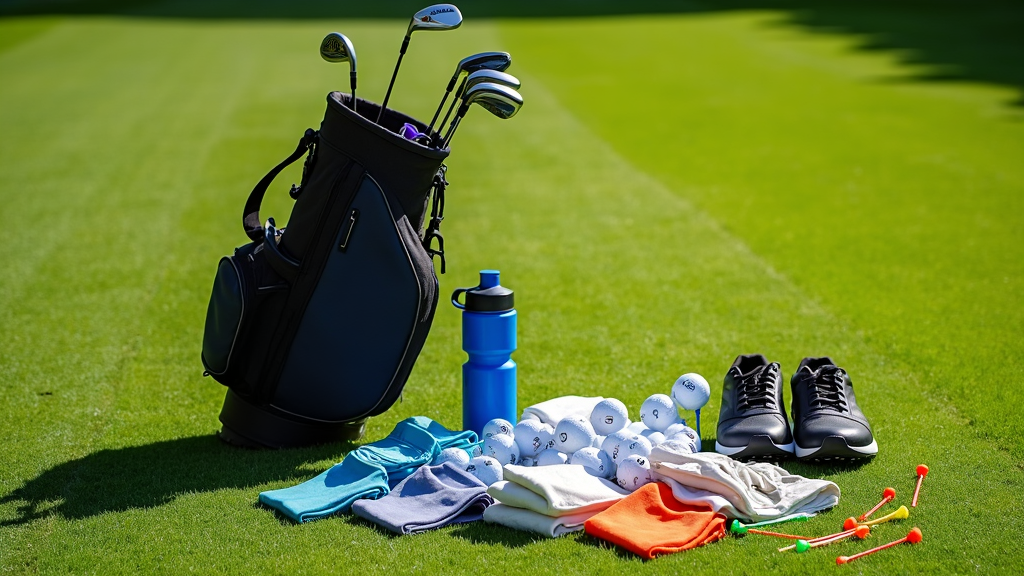
Grabbing all the latest flashy gear isn’t necessary. With a few basics, you can play nine or eighteen holes and learn what you like as you go. Here’s a rundown of what should make it into your beginner golf bag:
- Golf Clubs (Starter Set): Most beginner sets include a driver, a fairway wood, a hybrid, a few irons (like 6, 7, 8, 9), a pitching wedge, and a putter. These cover every shot you’ll face as a newbie.
- Golf Balls: Beginner-friendly balls tend to be softer and offer more forgiveness, so you won’t feel quite so bad about losing a few along the way.
- Golf Tees: Pick up a bag of basic plastic or wooden tees in assorted heights; they’re inexpensive and essential for every round.
- Golf Bag: A simple carry or stand bag helps you organize and transport your clubs easily. Look for something lightweight.
- Golf Glove: A glove for your lead hand (left if you’re right-handed) adds grip and prevents blisters.
- Shoes (with traction): Golf shoes with soft spikes or grippy soles keep you stable during swings, especially on dewy mornings or uneven ground.
Many brands offer complete beginner sets that check off all these boxes in a single purchase. That’s a great way to avoid decision fatigue and make sure you have a matching set right from day one.
Smart Steps for Building Your Starter Set
Jumping into golf shopping might tempt you to chase the fanciest clubs or go for custom fittings right away. That’s not usually necessary at first. Here’s a step-by-step map that worked for me:
- Buy or Borrow a Starter Set: Local sporting goods stores and pro shops often have beginner sets at fair prices. Some golf courses even lend or rent them out if you want to try before buying.
- Pick Up the Right Balls: Start with durable, reasonably soft balls. More expensive “tour” balls are great, but not really helpful until your basics are decent.
- Glove and Shoes: Try gloves on in-store to find the right fit, and don’t skip a comfy golf shoe. Slipping in mid-swing is no fun.
- Check for Extras: Add in a few extras like a towel for cleaning clubs, ball markers, and a simple divot tool. Most of these are super affordable but also really helpful.
Following these steps keeps things easy and focused. You can always upgrade once you’ve played a handful of rounds and know what you want to improve.
Common Gear Questions for New Golfers
New golfers always have questions about what is necessary. Here are a few I ran into, with answers I wish I’d had up front:
Q: Do I need a full set of 14 clubs?
A: Not at first. Most beginners start with 7–10 clubs covering the basics, which is lighter and easier to manage as you get used to swinging.
Q: Can I use any golf ball, or are some better for new golfers?
A: Entry-level balls are made to forgive off-center hits and help with distance, which is perfect for beginners. Premium balls focus on spin and control, which matters more later.
Q: Is a golf glove necessary?
A: Absolutely. Unless you like blisters. Plus, it helps keep your grip fresh even if your hands or the weather get sweaty.
Q: Do I really need golf shoes?
A: Regular athletic shoes can work for your first practice session, but golf shoes are designed for grip and comfort over several hours outdoors. They make a big difference on hills and wet grass.
What to Watch Out for When Choosing Equipment
New players often run into a few hurdles when collecting their first golf gear. Some things can trip you up if you don’t watch for them right away:
- Overthinking Club Choice: Ultraspecialized clubs are tempting, but stick to basic options until you’ve played a while. Simpler clubs are easier to use and more forgiving for beginners.
- Club Fitting: Custom club fitting is helpful once you’re comfortable with your swing. If you’re brand new, most standard beginner sets will work just fine for now.
- Buying Too Much: It’s easy to get caught up buying every gadget, but the basics will have you covered for months, and give you time to figure out what you will need later.
- Equipment Quality: Some cheap all-in-one kits cut corners. Make sure the clubs have a bit of heft, and the grips feel comfortable in your hands. Reading a few online reviews or asking a local golf shop can help avoid duds.
Taking your time with these choices means you’re less likely to waste money and more likely to get equipment that suits your learning phase.
Club Types to Focus On
Not every club in a pro’s bag gets regular use, and that also holds true for new golfers. Here are the clubs you’ll rely on most when starting:
- Driver: Used for your first stroke on par 4s and 5s. Look for one with a bigger sweet spot for more forgiveness.
- Hybrid or Fairway Wood: Great for long shots off the fairway or longer par 3s. Easier to hit than old-style long irons.
- Mid Irons (6, 7, 8): Perfect for learning basic approach shots. They’re easier to hit consistently for most new players.
- Putter: The most used club by far. A basic putter with a balanced feel helps you find your rhythm on the greens without fuss.
How Good Equipment Helps Your Game
It’s totally normal to be nervous on your first few rounds. Quality beginner equipment handles a lot of the heavy lifting, letting you learn proper technique and focus on improving. I’ve seen new players go from frustrated to energized just by switching from old, mismatched clubs to a beginner-friendly set.
- Practice Sessions: Having the right weight and size clubs lets you practice actual swings rather than just fighting the equipment.
- Course Confidence: Gear that fits your skill level helps keep nerves in check. When you know your clubs and shoes have your back, it’s a lot easier to relax and play the game.
- Sticking With It: Comfortable equipment makes the whole experience more positive. If you enjoy those first rounds, you’ll want to keep coming back.
Extra Gadgets for When You’re Ready
With the essentials covered, some extras can make a big difference once you’re getting the hang of things. Consider these options:
- Range Finder: A range finder helps you judge distances on the course, which is helpful as you work on club selection. While not critical when you’re just starting, it becomes more useful as you play more, especially if you want to start shaving strokes off your score.
- Sunscreen and Hat: Long days outdoors call for good sun protection. Don’t underestimate how quickly you can burn, even on cloudy days. A proper hat and some sunscreen can help keep you comfortable and focused.
- Club Cleaning Brush: Clean grooves make for truer shots. Handy brushes clip onto your bag and keep clubs in great shape. Making a habit of cleaning your clubs can improve performance and help your equipment last longer.
- Towel and Ball Marker: A small towel for wiping off clubs and balls and a simple coin or marker for marking your place on the green are often overlooked but practical additions to your setup.
FAQs for Beginners
Here are a few more quick answers to common beginner golf equipment questions:
Q: Is it worth buying used equipment?
A: Used gear in good shape can save money and still give you a quality experience. Just check for wear on grips and club faces before buying. It’s also smart to visit a shop and get a feel for clubs in person.
Q: How long does beginner equipment usually last?
A: Good starter sets can last for several seasons if looked after properly. You’ll likely only want to upgrade once your swing and skills improve and you know what specific features matter most to you.
Jumping into golf with the right starter equipment makes every round a little less daunting and a lot more fun. As you build skills and gain confidence, you’ll have a solid sense of what gear upgrades are worth your money; you’ll be on your way to enjoying the game for years to come.