
Practicing your golf swing at home means you can sharpen your game without needing to make a trip to the course every single time. Whether you’re just starting out or trying to break a plateau, some simple at-home practice can make a real difference. By building muscle memory, working on technique, and getting in regular reps, you can boost your skills and feel more confident each time you step onto the course. I’ve gathered everything I know about home golf drills, tools, and setups to help you kick your practice up a notch, so you get more out of every swing.
Why Practice Your Golf Swing at Home?
Golf is one of those games where a small tweak can make a huge difference. Practicing at home means you get to focus on your swing in a comfortable, low-pressure setting. I find working on fundamentals at home helps translate to lower scores when I head out to the course or driving range. You might not have acres of space, but there are plenty of ways to build muscle memory and consistency in your living room or backyard.
Regular practice at home can help you nail down that repeatable swing motion, work through swing faults, and keep your skills sharp between rounds. This approach is super handy for people with busy schedules or anyone wanting to fit extra reps into downtime. All it takes is a bit of space and the right drills or tools, and you’ve got a setup that keeps your game fresh all year long. You’ll likely notice your confidence grow the longer you stick with a regular home routine, and that can translate to lower scores out on the links.
Setting Up Your Home Golf Practice Space
For the best results, having a dedicated area makes a big difference. You’ll want a spot where you don’t have to move furniture each time you pick up a club.
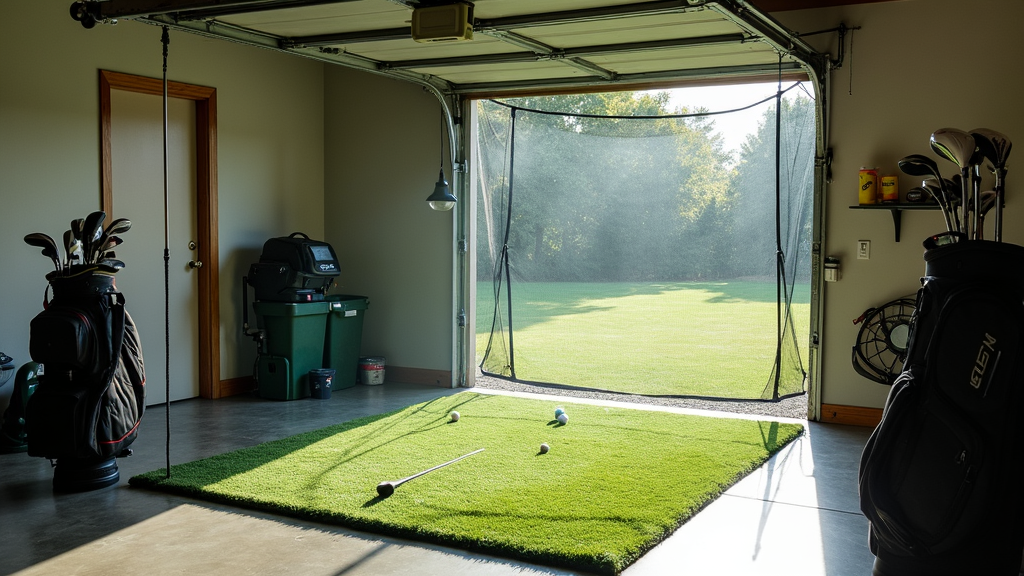
- Garage or Basement: These areas are usually perfect for setting up a hitting net and mat since there’s plenty of headroom and space.
- Backyard: If the weather’s right, the backyard provides enough room for swings and even some chipping practice.
- Living Room: A smaller mat and some foam balls or a swing trainer can let you work on technique without worrying about breaking anything.
If you don’t want to invest in big equipment, you really only need a golf club, a couple of practice balls (foam or plastic are safest), and a mirror or phone for feedback. If you’re ready to go bigger, a hitting net, turf mat, and swing analyzer can turn your space into a mini driving range pretty quickly.
Don’t overlook simple modifications, either. Rugs, old blankets, or yoga mats can double as makeshift practice surfaces if you don’t have a dedicated golf mat, cushioning your clubs and protecting your floors. Just make sure whatever space you use has enough room for a comfortable swing without risking walls or nearby valuables.
Key Drills for Improving Your Golf Swing at Home
Here are some of my favorite at-home drills that are easy to set up and don’t need much space or gear. These focus on the most important parts of the golf swing, such as tempo, balance, and clubface control. Try these even with just a few minutes a day:
- Mirror Work: Practicing in front of a mirror helps spot things like over the top moves or bad posture. Step into your address position, take practice swings, and watch your reflection to keep everything in line.
- One Handed Swings: These can help improve rhythm and coordination. Take a 7 iron, grip with just your lead hand, and practice slow swings, focusing on keeping the club head on plane and your wrist firm.
- Slow Motion Swings: Take a club and move through your swing ultra slowly, pausing at checkpoints (like halfway back, the top, impact, and follow through). This builds a better understanding of your movement.
- Alignment Rod Drills: Use an alignment rod or even a broomstick on the ground to check your foot, hip, and clubface alignment. Practicing with an alignment aid helps prevent common setup mistakes.
- Weighted Club or Training Aid Swings: Training clubs or weighted aids are great for warming up and help groove a smoother tempo and timing.
Mixing these drills into daily or weekly routines can really add up over time. The idea is to build muscle memory and reinforce good habits so they stick, especially when you can’t get to the course. Also, alternate between slower drills and full-speed swings to keep things well rounded and prevent burnout.
Gear and Training Aids Worth Checking Out
There are plenty of gadgets to choose from, but a few basics can make home practice smoother and more fun. I’ve tested and rotated through lots of training aids, and here are reliable options that get the job done:
- Golf Hitting Mat: A turf mat gives you a consistent spot to hit from, reduces noise indoors, and saves your actual floors and clubs from scuffing up.
- Practice Net: A net lets you safely take full power swings indoors or in the backyard. Most collapsible nets are easy to put up and store.
- Foam or Plastic Practice Balls: These mimic regular golf balls but are much safer indoors. They’re perfect for quick, low-risk reps anywhere.
- Putting Green or Rug: For short game work, a putting mat or even a section of smooth carpet is helpful to keep your putting dialed in.
- Golf Swing Trainers: Tools like weighted clubs, tempo trainers, or hinged club trainers can help you feel the right positions through the swing.
- Swing Analyzer Apps: Many free and paid smartphone apps analyze your swing motion with video. You can record and review your swing, track progress, and get feedback from home.
Sticking with simple, high-use tools beats cluttering your home with too many gadgets. Finding the ones that match your skill level and goals is key to making the most out of home practice sessions. Remember, quality matters more than quantity: using one or two aids consistently usually trumps collecting every new thing you see advertised.
A Guide to Building a Productive At Home Golf Practice Routine
Consistency is more important than grinding out marathon practice sessions. Short, focused reps improve your swing way better than long, unfocused sessions. Here’s a quick process for home practice that’s worked well for me:
- Warm Up: Start with some stretches or a few swings using a weighted club to get loose.
- Work on Fundamentals: Pick one aspect of your swing to focus on. Maybe it’s posture, takeaway, or impact position. Cycle through a few slow motion swings or mirror checks to really feel what you’re doing.
- Mix in Drills: Rotate through two or three drills that help with your problem areas. Keep each drill short and sharp, since it’s better to do a handful correctly than dozens incorrectly.
- Record Video: Every few sessions, use your phone to record swings. Watching yourself can reveal things you didn’t notice while swinging.
- Cool Down and Reflect: Finish with some light stretches and jot down notes on what felt good or needs work moving forward. Take time to think on it and set small goals for your next session—tracking your progress leads to real results.
Keeping things simple and building a habit is much better for improvement over time than cramming it all in occasionally. Whenever possible, schedule your practice just like you would any other meeting or appointment to make it feel routine.
Challenges to Watch Out For When Practicing Golf at Home
There are a few things to keep an eye on, since practicing at home has its limits:
- Space Constraints: Not every home can handle a full driver swing, so use smaller swings indoors or move to the garage or backyard for full swings. Foam balls lessen the risk of damage.
- Feedback Limitations: Without a pro or launch monitor on hand, feedback can be limited. Using mirrors, recording devices, or swing analyzer apps helps bridge that gap.
- Bad Habits: Repeating the same motions without feedback might reinforce mistakes. It’s really important to change things up or occasionally get a lesson or video analysis from a coach, even if online.
- Motivation: Practicing solo at home can get boring fast. Switching up drills, using music, or inviting a buddy for friendly challenges can boost motivation a lot.
Even with these challenges, a bit of creativity and the right approach will keep your game in good shape. Don’t be afraid to mix in new drills or set little rewards for meeting goals, as this keeps things fun and challenging.
Advanced Home Practice Tips
If you’re ready to get more technical, you can try a few higher level practice routines. These can really take things up a notch for low-handicap or competitive golfers:
- Swing Path Trainers: Portable rails or laser guides help you visualize the proper club path.
- Impact Tape: Putting inexpensive tape on your clubface or impact stickers on a mat gives you instant feedback on strike location.
- Simulated Pressure: Set up little challenges, such as making ten successful chips in a row or beating a timed drill, to create game-like nerves, which helps you perform under pressure.
- Use a Launch Monitor: Entry-level launch monitors have gotten more affordable and can track swing speed, path, and ball flight from home. The data’s pretty handy for diagnostics or spotting trends in your performance.
If you like gadgets, these upgrades add some excitement and detailed tracking, keeping at-home sessions interesting and effective longer term. For golfers chasing lower scores or just wanting extra fun, these tools are worth checking out.
Frequently Asked Questions
Here are questions I hear all the time from fellow golfers looking to tighten up their swings at home:
Question: Can I really improve my golf swing from practicing at home?
Answer: Absolutely. By working on fundamentals, using feedback tools, and practicing regularly, you can see real improvement at home.
Question: What’s the best golf training aid for home use?
Answer: Hitting nets, practice mats, and foam balls are the basics. Tools like weighted clubs or swing analyzers are also super useful for home practice.
Question: Is it safe to practice golf swing indoors?
Answer: Yes, with proper precautions like using foam balls and making sure the space is clear of breakables. Swinging slowly or using short clubs helps if space is tight.
Question: How often should I practice my swing at home?
Answer: Short, regular sessions (even just 10 to 15 minutes daily) work better than occasional, longer sessions. Consistency is what builds improvement over time.
Final Thoughts
Working on your golf swing at home is practical, cost-effective, and has a real impact on your game. Even in a small space, regular reps build skills and confidence. Building out your space with the right tools and focusing on smart drills keeps things fresh and productive. Happy practicing, and here’s to lower scores in your future!